Tag Archives: Ecclesiastical Law Center

Chapter 7: Analysis of “Has it ever been tested in court?”

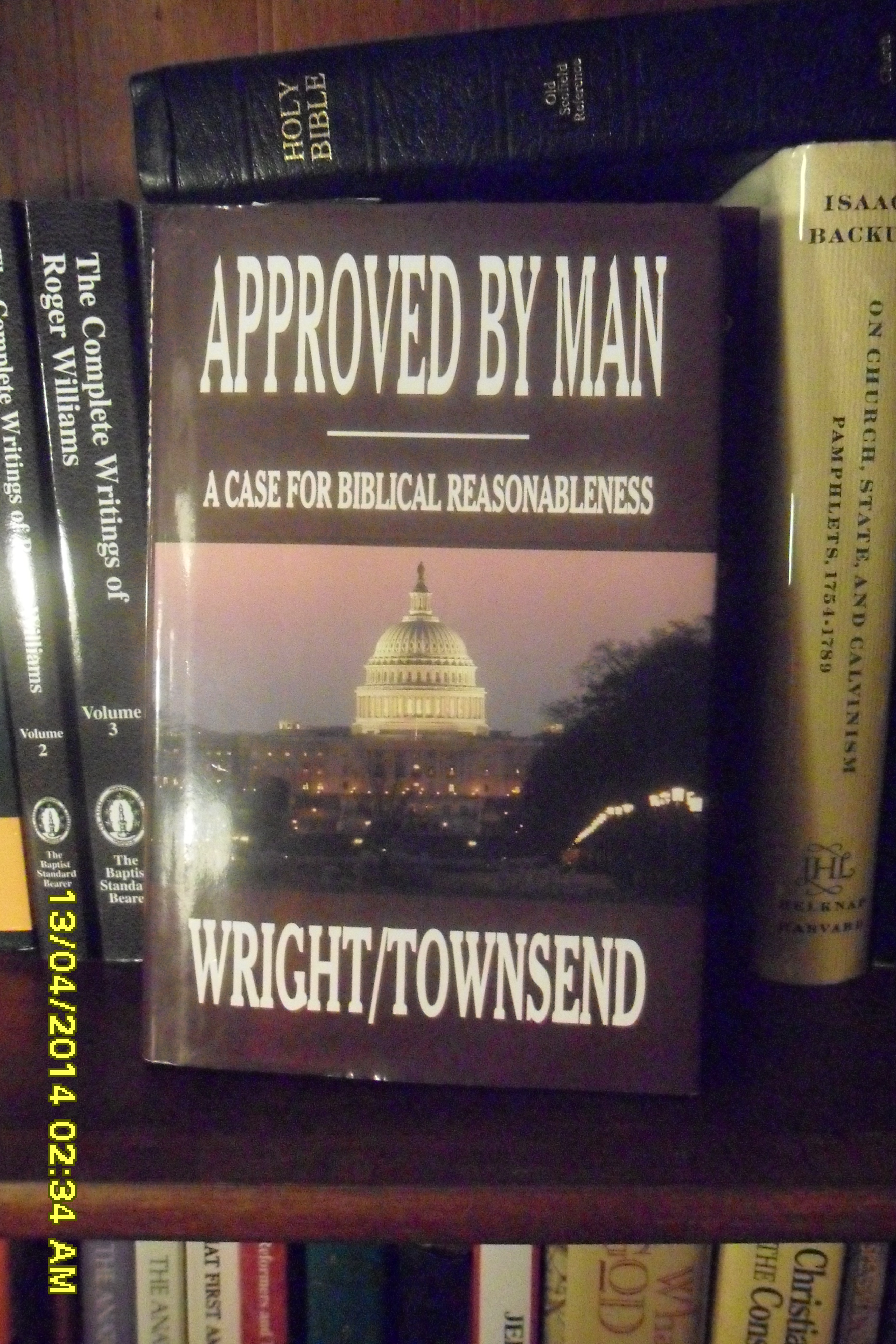
CoverApprovedByMan

Contents:

Related articles:

Chapter 7: Analysis of “Has it ever been tested in court?”

Jerald Finney
Copyright © November 15, 2014

Note. This is a continuation of the examination of a chapter of an Ecclesiastical Law Center (“ELC”) Publication, Chapter 18 of Approved by God. This article looks at the sixth section of that chapter.

The sixth section of chapter 18 asks a question which, in and of itself, is very puzzling to the person studied in the law of the ordinary trusts. The question is, “Has it ever been tested in Court?” What is the “it” being referred to and what does “tested in court” mean?
Thank you, ELC, for waking up our brain cells.

Obviously, from the ELC point of view in the context of Chapter 18 and other ELC writings:

  1. “It” refers to “trust;” and, specifically, the ordinary Bible trust utilized by the “Separation of Church and State Law” ministry and the ordinary trust used by the BLC. If the word “trust” or “Declaration of Trust” is mentioned in a court case, anything else in the case is not significant to the Ecclesiastical Law Center. The mere fact that one or both of those words were mentioned in the reported case or the alleged case means that the ordinary trust has been tested in court. It matters not to the ELC should the courts have said, as in the following cases (not cited by the ELC, of course) involving ordinary trusts:
    (a) A trust is not a legal entity. (Stevens Family Trust v. Huthsing, 81 S.W.3d 664 (Mo. Ct. App. S.D. 2002), reh’g and/or transfer denied, (July 12, 2002)).
    (b) A trust is not an entity distinct from its trustees and capable of legal action on its own behalf, but merely a fiduciary relationship with respect to property. (Roberts v. Lomanto, 112 Cal. App. 4th 1553, 5 Cal. Rptr. 3d 866 (3d Dist. 2003), review denied, (Feb. 24, 2004).
    (c) A trust is not a legal “person” which can own property or enter into contracts, rather, a trust is a relationship having certain characteristics. (Dennett v. Kuenzli, 130 Idaho 21, 936 P.2d 219 (Ct. App. 1997).
  2. The ELC will only cite and consider, when attacking the BLC and the ordinary trust, cases which involve legal entity types of trusts (such as business trusts and charitable trusts) so that they can make the assertion that “it has been tested” in court.
  3. As shown below, the cases they cite prove nothing concerning the ordinary trust and  the issue of whether “it has been tested in court,” nor do the cases give any insight as to what the ELC means by “tested in court.”

This author was asked, at the 2011 Unregistered Baptist Fellowship” conference in Indianapolis, Indiana the same question, “Has it ever been tested in court?” and he has heard the question on numerous other occasions. At the time, he suspected that the questioner was affiliated with the ELC. He thought that the reference was to the ordinary trust into which BLC churches place their tithes, offerings, and gifts and the DOT which created that trust; and he further thought that by “tested in court” was meant, “Has the court disregarded the DOT and the trust thereby created and attempted to bring the church into court as a legal entity anyway?” As to the question in the last sentence, the author’s reply is:  In several cases the author knows of since beginning to work with the BLC, the court knew that the church was not a legal entity which was subject to court jurisdiction. In one case the prosecutor, in a zoning dispute initiated by the government, acknowledged that church was not a legal entity (the church put tithes, offerings, and gifts into a trust); therefore, the church could not be brought into court. In another such case involving an Indianapolis church which adopted the BLC recommended DOT and ordinary trust thereby created, the church members placed tithes, offerings, and gifts into the trust thereby created. The government challenged the zoning status of the meetinghouse. The DOT had nothing to do with the case and the government recognized that the church was not a legal entity; therefore, the court could not bring the church into the controversy. The case ended in victory and the use of the real estate for a meeting house was upheld.

Of course, the church which places tithes, offerings, and gifts into an ordinary trust for the benefit of the true, equitable, beneficial owner of the money/property is clearly not a legal entity. That is what the law says and that corresponds to reality. The church has to entrust someone with tithes, offerings, and gifts which are given to the Lord Jesus Christ. The person so entrusted is, by definition, a trustee and the true owner is, of course, the Lord Jesus Christ. Reality, biblical principle, and American law agree on this matter.
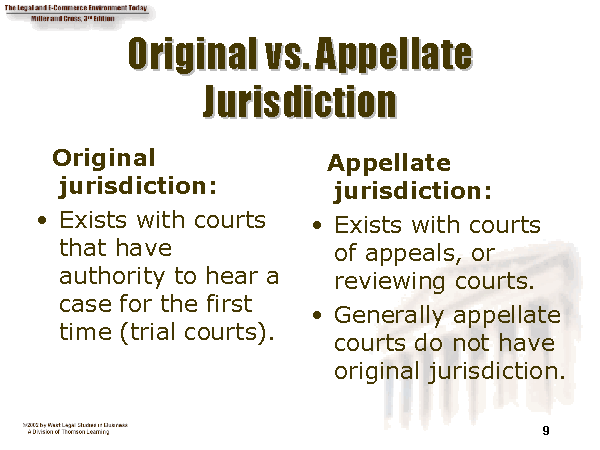
jurisdictionContrary to the assertions of the ELC, civil courts may assume jurisdiction over people and land (no matter how the land is held) when a proper suit within the jurisdictional boundaries of the court is initiated. Believers and others in America have been blessed. Christians and churches have the protections of the First Amendment which were won by the persecutions and sacrifices of our historical Baptist forefathers; the First Amendment protects the citizen in his exercise of religion, assembly, press, speech, and his right to petition the government for a redress of grievances. American civil government does not tax land being used for “religious purposes.” However, believers and churches in many countries – such as Korea, China, many Muslim countries, and many other nations – are not so fortunate. In many nations, if one is found with a tract, speaking positively of the name of Jesus, possessing a Bible, etc., either the government or the local religious mob will send him home to be with the Lord. No land or buildings will be allowed for meeting by Christians. If it is tried, they will be confiscated and/or destroyed.
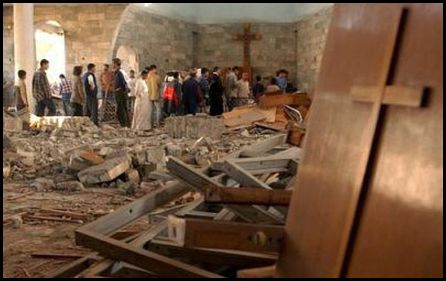
The guaranteed fate of church meetinghouses in some nations.

Even in America, ultimately legal differences concerning land use, taxation, and ownership, if brought to the attention of the appropriate agency/court, will be decided by the agency/court. For example, should an ELC church or any other church come together as a church body at a meetinghouse in an area not zoned for religious use, the court will assume jurisdiction of the issue if and when it comes to their attention, no matter the church’s legal status. There are other possible issues concerning real estate which could result in either/or government agency or court action, but not against a non-legal entity church. The ELC admits the latter; they ask “What happens if there is a lawsuit?” (Robin Wright and Ben Townsend, Approved by God, A Case for Modern Disestablishment (Mesick, Michigan: Adorn Books, 2004), p. 150.) Their answer:

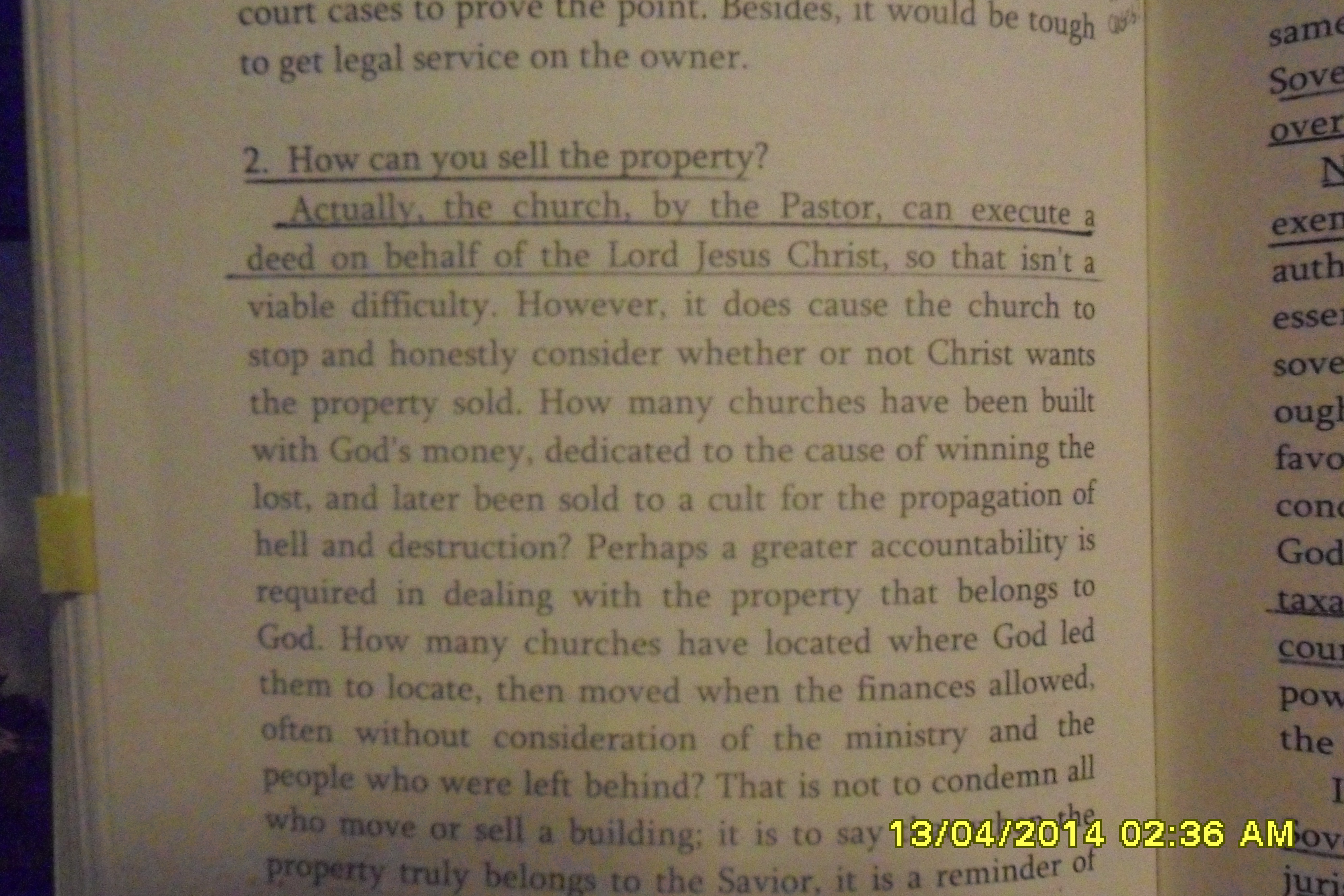
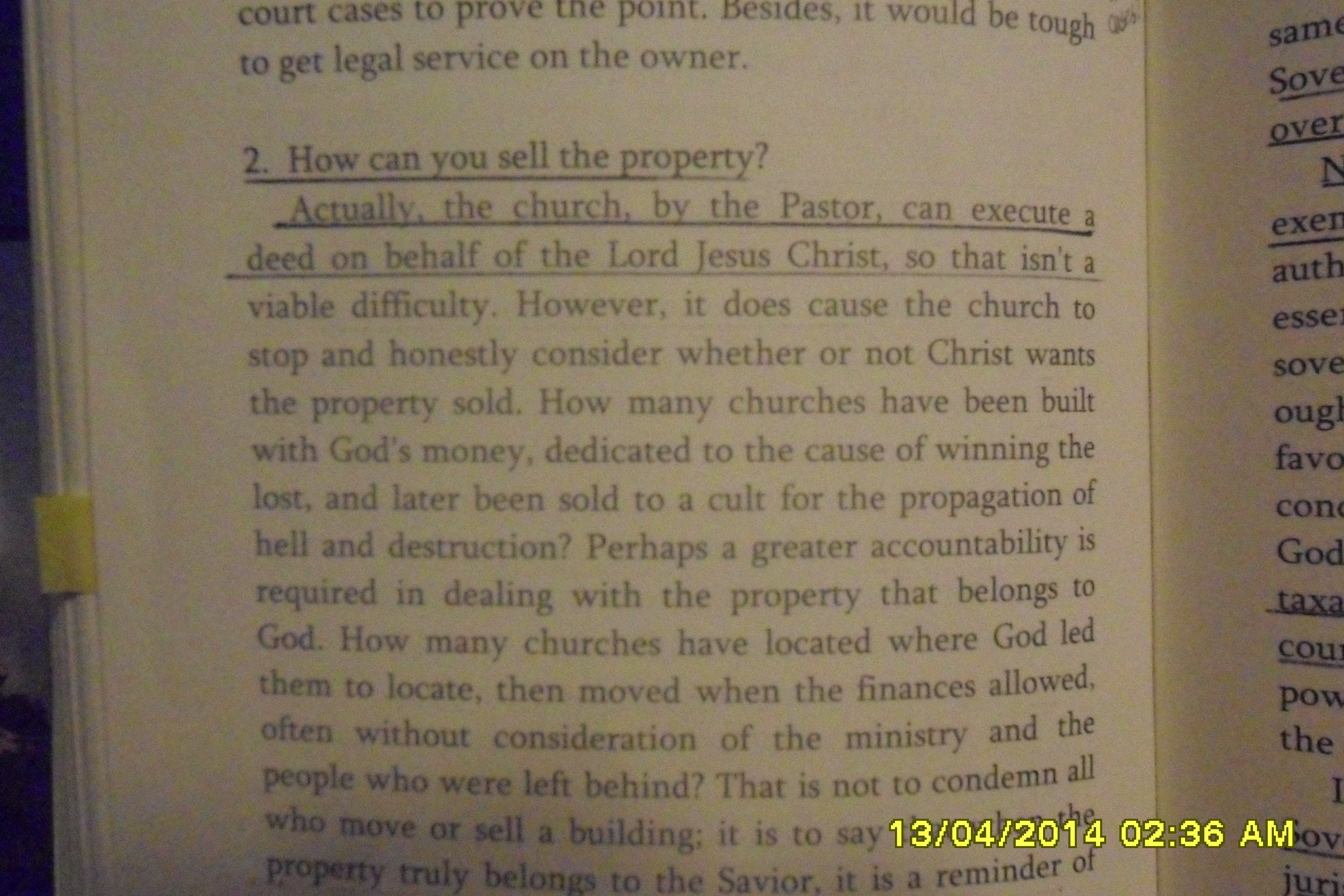
Lawsuit“There are no lawsuits. Lawsuits are leveled against legal entities, not spiritual ones. Lacking a legal organization (corporation, unincorporated association) to attack, lawsuits must ultimately prevail. There are several court cases to prove the point. Besides, it would be tough to get legal service on the owner.” (Ibid.)

Their answer is partially right and partly wrong. They are right in saying that a non-legal entity cannot be a party to a suit; but, if a piece of real estate is the center of a zoning issue, for example, the agency/court will petition the legal owner of the property. Of course, the agency/court cannot petition the Lord Jesus Christ, who under both the ELC method and ordinary trust method, is the true, equitable, or beneficial owner. If there is no legal owner of the property, the agency/court will take the necessary legal steps to take control of the property.

If there is a legal owner, the court will summon the legal owner. The ELC states:

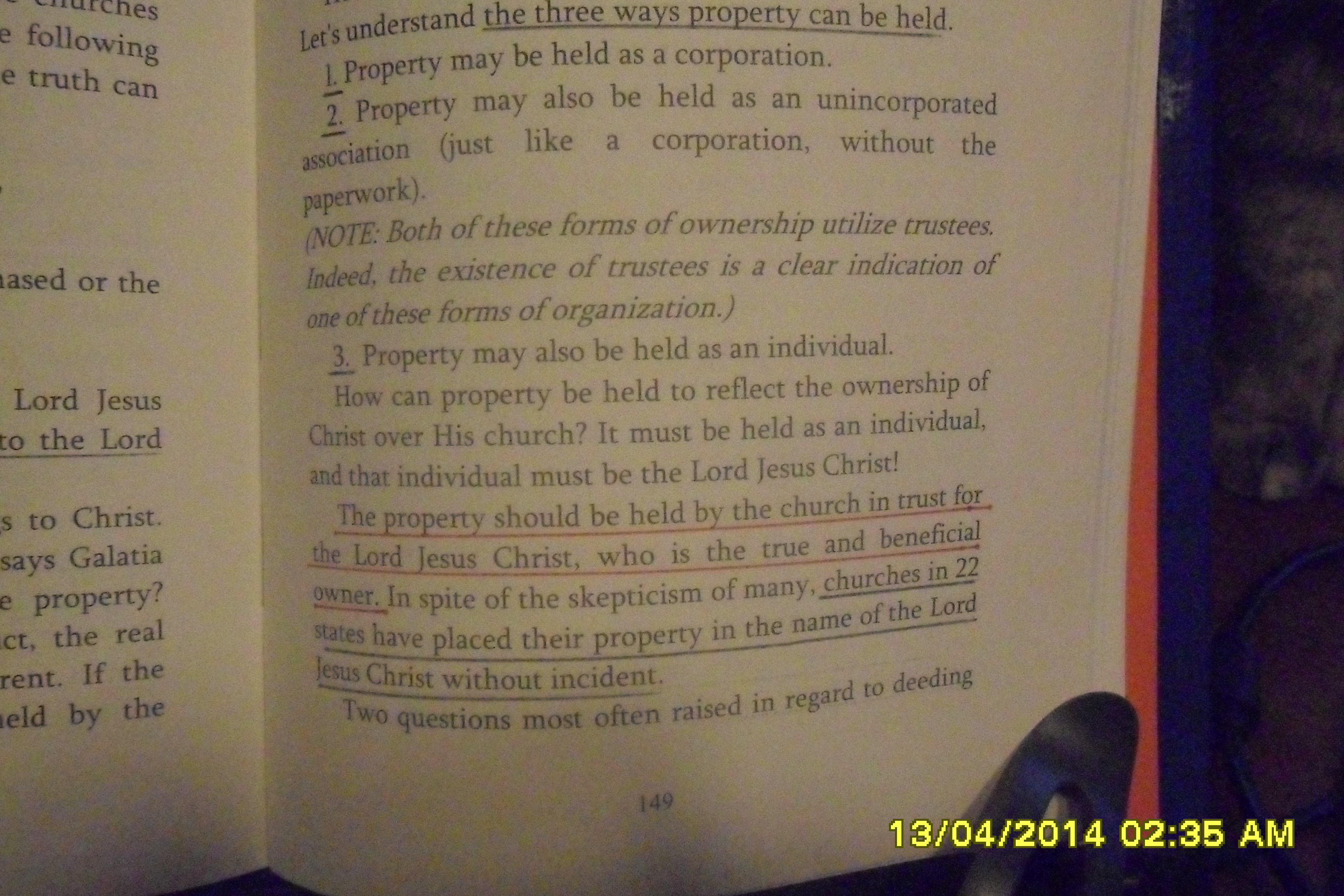
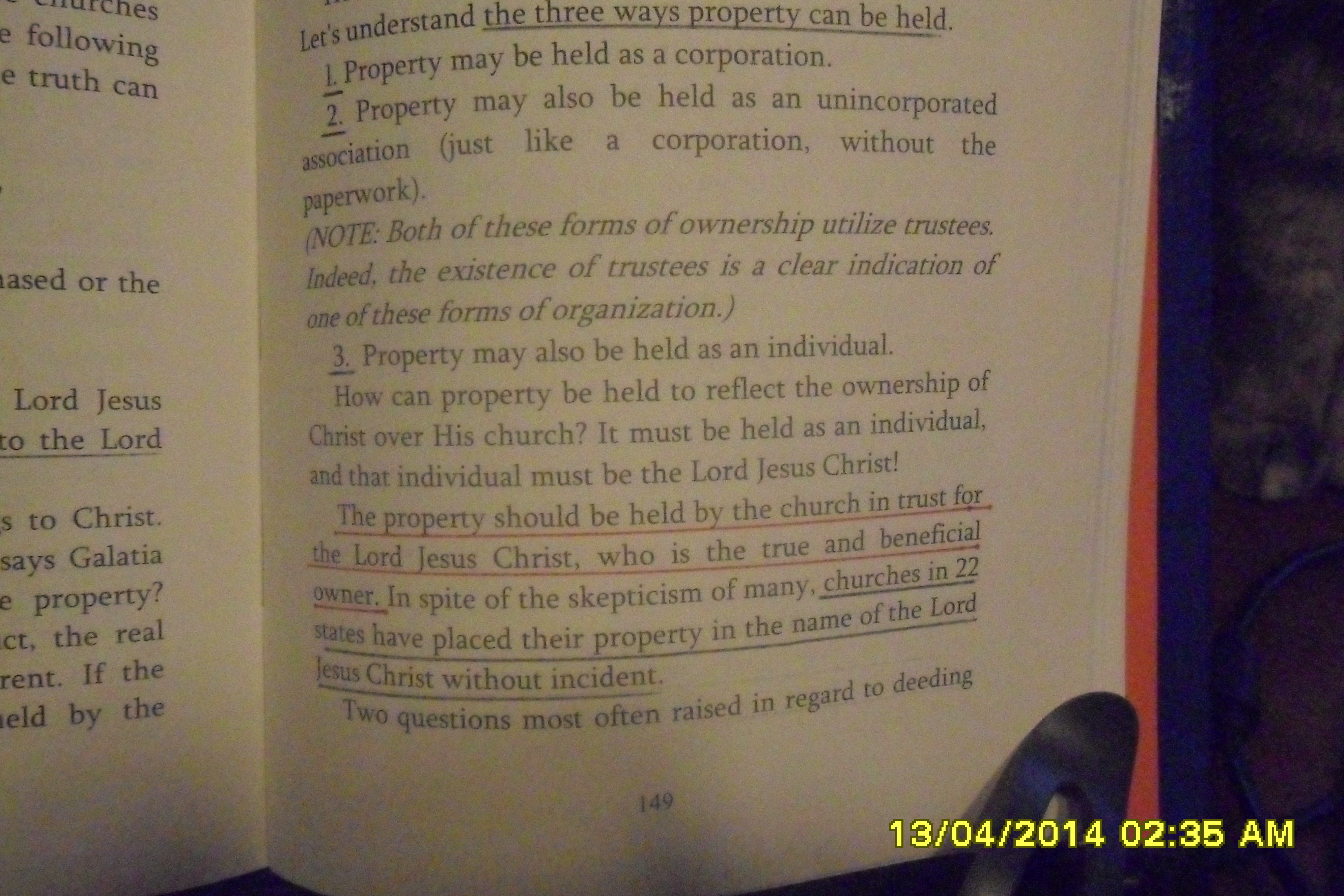
“How can property be held to reflect the ownership of Christ over His Church? It must be held as an individual, and that individual must be the Lord Jesus Christ! The property should be held by the church in trust for the Lord Jesus Christ, who is the true and beneficial owner.  In spite of the skepticism of many, churches in 22 states have placed their property in the name of the Lord Jesus Christ without incident.” (Ibid. 149). Actually, the church, by the Pastor, can execute a deed on behalf of the Lord Jesus Christ.” (Ibid. 150).

If the government challenged the use of a meetinghouse for religious purposes because the property was not zoned for religious use, and the church using the meetinghouse were organized according to the recommendations of the ELC, the government would not attempt to subpoena the true owner, in this case the Lord Jesus Christ. The government would petition the person who executed the deed, the pastor; the pastor, by definition, would be deemed to be the trustee holding legal title to the property. This is where the ELC method could result in the church being declared a legal entity since the ELC declares that “the church, by the Pastor, can execute a deed on behalf of the Lord Jesus Christ.” (Ibid.). As has been explained in other articles, should a government lawyer know what he is doing, he could point out that the church is a legal entity and argue that the church could be brought into the suit as the true owner for whom the pastor was only acting as trustee. The reasoning the government attorney could use:

“Only a legal entity can execute a deed and only a legal entity can hold property. The church has admitted by ELC declaration, the church being an ELC church, that ‘the church can execute a deed’ and that the property should be held by the church in trust…. Since the church admittedly executed the deed (through the pastor), the church is a legal entity.”

A properly worded Declaration of Trust which establishes an ordinary trust into which a church places tithes, offerings, and gifts makes clear that the church has no property and that the church has no interest in the money/property being placed into the trust estate and that the trust estate belongs only to the true and equitable owner, the Lord Jesus Christ, to be used for His benefit.

The ELC church could try to maintain their position that the government has no jurisdiction. The ELC might recommend that no one appear to admit jurisdiction or that someone, perhaps the trustee, make a special appearance to challenge jurisdiction only.

To begin such a case, the appropriate agency (many actions start in government agency with provisions for appeal into court should the final agency decision be contested) the agency or court would have to serve some legal entity. Every citizen of this country in his right mind is a legal entity.

Should they serve the pastor and he not appear, the agency or court would probably decide the issue (in court by a default judgment). Should they serve the church and an authorized representative of the church not appear, the result would be the same. Should the church appear and assert that she was not a legal entity, the agency/court would need proof that the church was not a legal entity. The government attorney, if he was familiar with the issue and ELC teachings, could argue that the church, by the ELC’s own admission and declaration is a legal entity such as a business trust or charitable trust.

Should a church appear and lose the jurisdictional issue, what would the next step be? The church would have already admitted that the court had jurisdiction over the jurisdictional issue by making an appearance. The court would probably and correctly rule that the church was a legal entity. Therefore, disregarding the court decision on that issue would be futile and non-appearance thereafter would probably result in a default judgment.
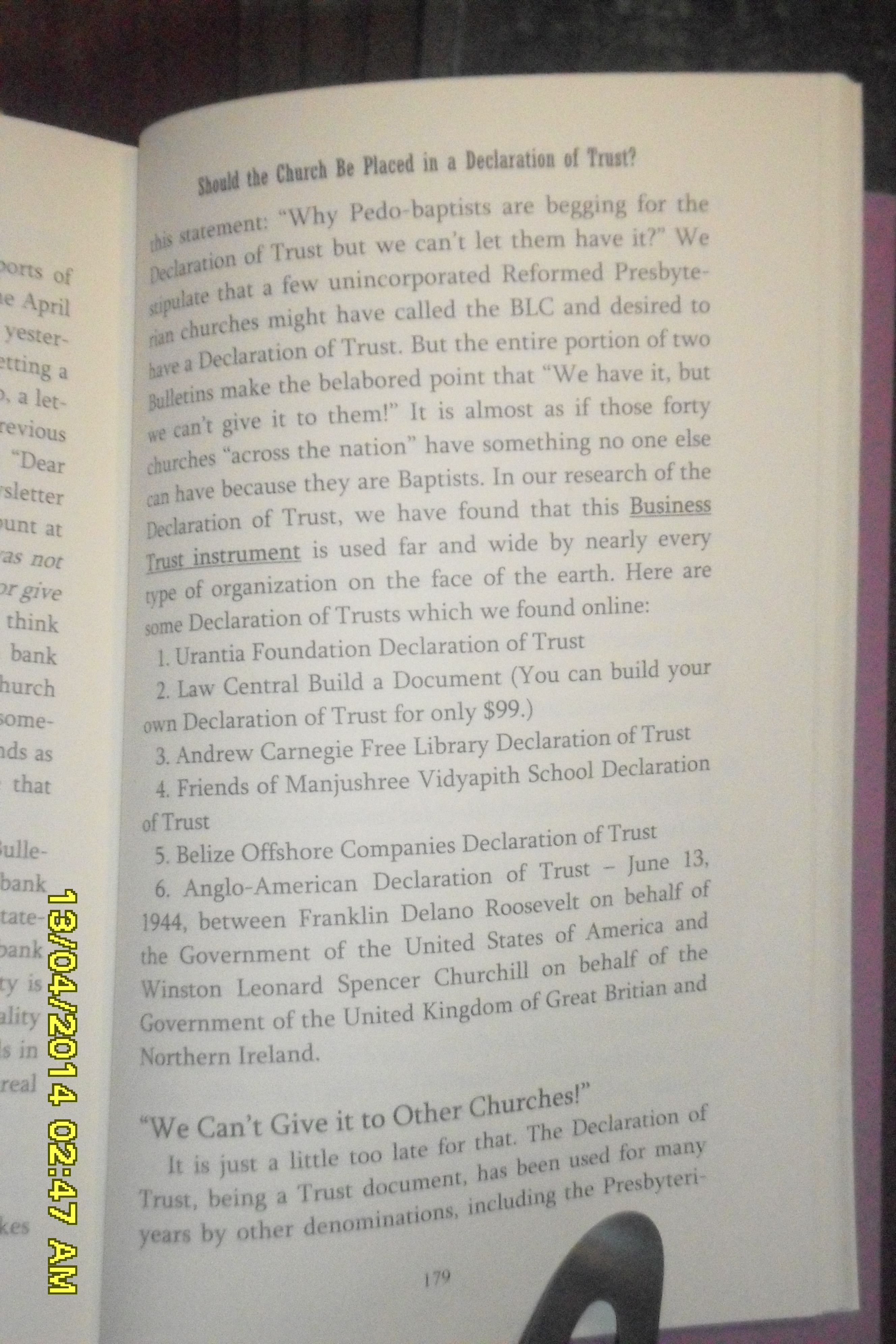
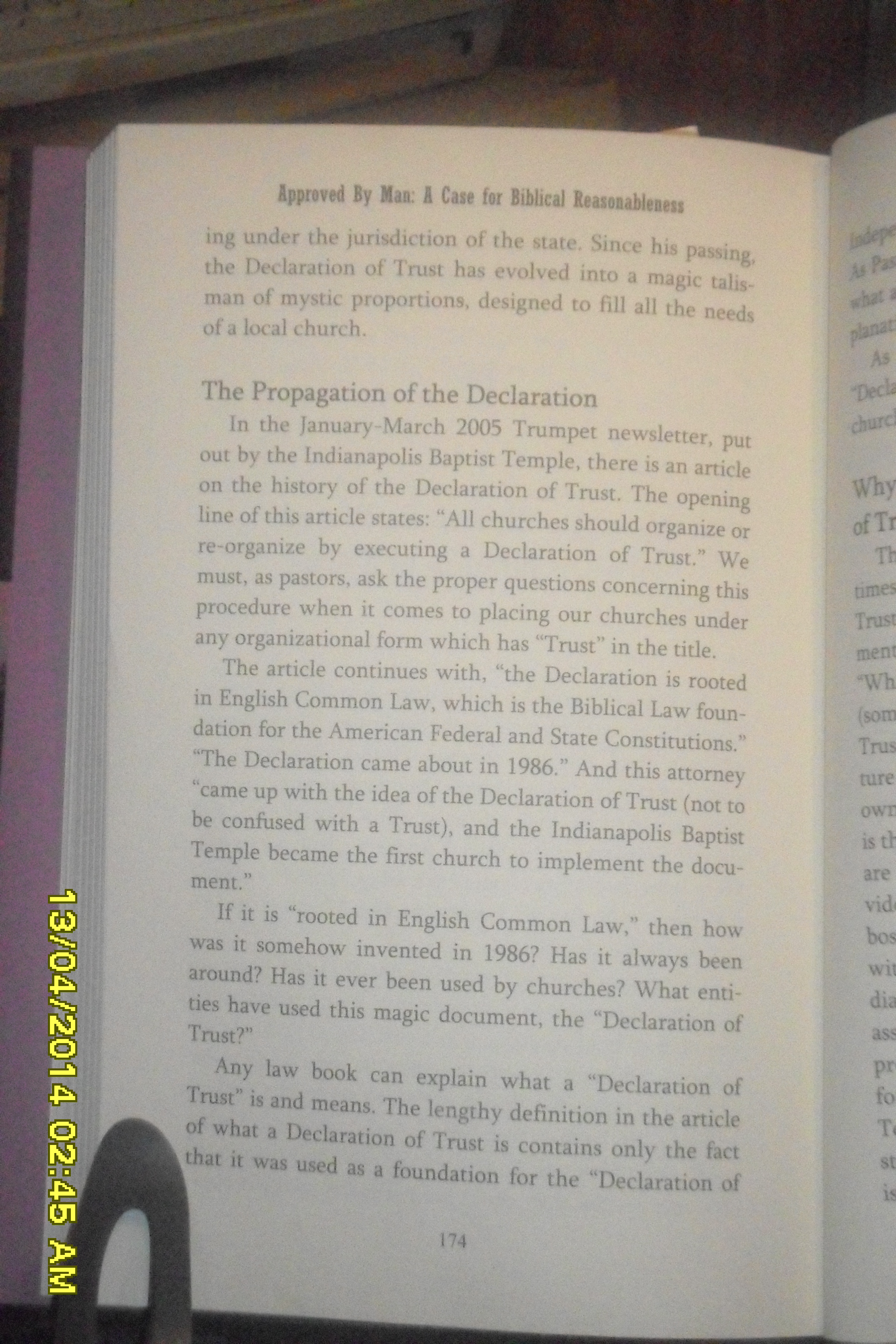
Approved by Man, p. 180

The first paragraph of the ELC article begins:

“It has been repeatedly reported by the BLC that the Declaration of Trust (‘DOT’) has never been tested in court. However, the DOT was filed and tested in the Indianapolis Baptist Temple case. And it did not succeed in protecting that church entity. To further reveal the blindness of those who propagate this document, it has been tested time and time again in every court jurisdiction over the last two hundred years. It is a document that courts recognize as a Trust agreement on which it can have jurisdiction and decide cases. If anything, this document in the IBT case could have been used by the court to prove they had jurisdiction over IBT.”
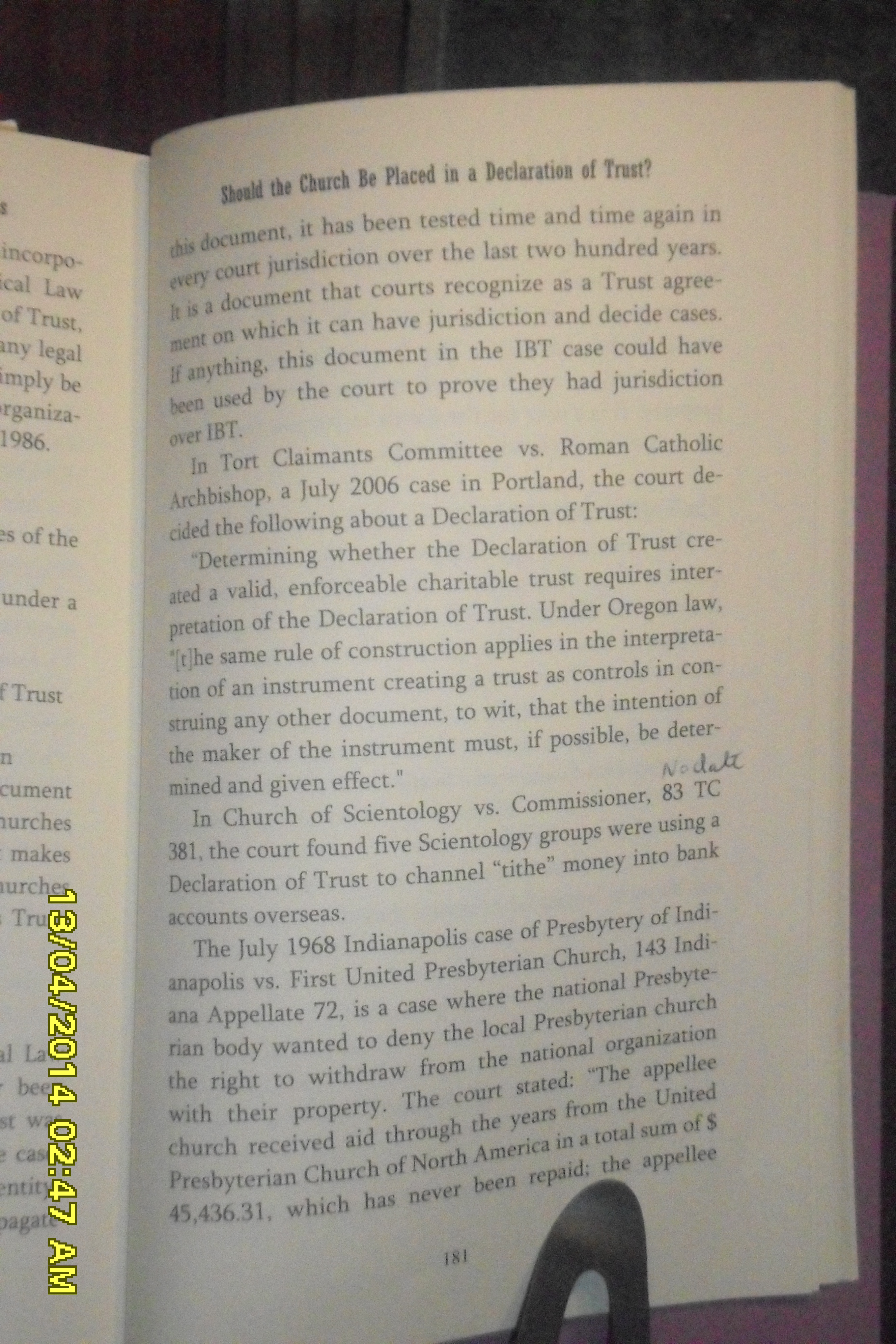
Approved by Man, p. 181

That whole first paragraph is a total distortion of what happened in the IBT (“Indianapolis Baptist Temple”) case. To fully and rationally explain all that happened in that case would require a lot of time and explanation. Suffice it to say for now and for purposes of the analysis of this section of Chapter 18 that the ELC effectively concedes in the last sentence of the above quoted paragraph that the court did not use the IBT trust document to prove they had jurisdiction over IBT. This author will offer the following true statement: the court did not (which, as pointed out, the ELC concedes in the paragraph above) and could not have used the trust document to prove they had jurisdiction over IBT.

IBT has continued since the court case was settled and the government confiscated the property. IBT has operated under a DOT since and has not been summoned into court or agency proceeding. The property tax exemption allowed the property owner who leases the property in which IBT meets (not IBT) still gets a property tax exemption on the property since the property is used for religious purposes, even though the local property tax board has contested the exemption more than once. Of course, IBT was not summoned or subpoenaed since IBT is not a legal entity.

The section “Has it ever been tested in court” then briefly mentions three cases with brief comments. The three cited cases, the ELC comments, and the ELC “reasoning” (a term loosely used here), are examined below. The first case mentioned is Tort Claimants Committee vs. Roman Catholic Archbishop. There is no citation to that case, but the author of the chapter states that the case is a “July 2006 case in Portland.” Then they state that “the court decided the following about a Declaration of Trust:

“Determining whether the Declaration of Trust created a valid, enforceable charitable trust requires interpretation of the Declaration of Trust. Under Oregon law, “[t]he same rule of construction applies in the interpretation of an instrument creating a trust as controls in construing any other document, to wit, that the intention of the maker of the instrument must, if possible, be determined and given effect.”

I did a Westlaw search of Oregon courts of appeal, Oregon Supreme Court, and United States Tax Court using the case name given in the article as well as the name of each party. I found no such name. If there is indeed such a case, any reliable writer would have included the citation so that the case could be easily found. The authors did give the citations for the next two cases, and I easily found and read them. (See below). I can therefore only analyze what is written in the first article about the alleged case, Tort Claimants Committee vs. Roman Catholic Archbishop.

On its face, it is not on point, even though the statement quoted is valid. It applies to a charitable trust, not an ordinary trust and the Declaration of Trust which created it.

The second case mentioned is “Church of Scientology vs. Commissioner, 83 TC 381. All the ELC says about this case in their article is: “the court found five Scientology groups were using a Declaration of Trust to channel ‘Tithe’ money into bank accounts overseas.”

I pulled that case up on Westlaw and examined it. (See En 1 for a summary of the case.). The case is not on point for many reasons besides the main point relevant to this this article: the trust involved was a charitable trust. I include a summary of the 105 single spaced on 8 ½ x 11 inch page case in En 1.  One can go to the law library read the case to verify the truth of this author’s assertions.

These were two of the eighteen issues in the case, the only two issues involving “charitable trust”:

11) Does the application of common law charitable trust doctrine to churches, requiring their conformity to fundamental public policy standards evidenced by criminal or civil statutes, violate the free exercise clause of the First Amendment because there are less restrictive ways of regulating church-sponsored misconduct?
12) Does the retroactive application of public policy standards derived from the common law of charitable trusts to petitioner’s operations deprive petitioner of due process of law in violation of the Fifth Amendment? Church of Scientology vs. Commissioner, 83 TC 381, 384 (1984).

Again, a charitable trust is a legal entity. An ordinary trust is not. Nothing in this case is relevant to the ordinary trust or the ordinary Bible trust and the churches who place their tithes, offerings, and gifts into such a trust. Read the summary in En 1 (or the case) to verify this.

The final case cited by the ELC in this section is Presbytery of Indianapolis vs. First United Presbyterian Church, 143 Indiana Appellate 72.

“The Appellate Court, Bierly, J., held that decision of authorized judicatory of hierarchial church denying petition of local congregation for leave to withdraw and take with it certain property was binding on state courts, notwithstanding that title may have been in corporation as grantee; use and occupancy of local church was matter of ecclesiastical government which could not constitutionally be impaired by any state legislation nor by any action by state judiciary. Reversed.” (Presbytery of Indianapolis vs. First United Presbyterian Church, 143 Ind. App. 72 (1968)).

As to the factual conclusions, the court said:

“This property appears to have been purchased * * * in the ordinary way of business, * * * and conveyed to the trustees by a general warranty deed, without condition of limitation. It is entirely clear that no trust, express or implied, is attached to the title. Appellants (plaintiffs) at no time had any interest in the property except as members of a congregation which was an integral part of the ecclesiastical society known as the Cumberland Presbyterian Church. Our only duty is to determine the identity of the ecclesiastical successor of the original grantee. This we have seen has been determined for us, since the union of the Cumberland Church (which was incorporated and acquired the property as a corporation before combining with the Presbyterian Church) with the Presbyterian Church carried into the United body all its property. The validity of that union appellants cannot question, and in it they must acquiese or defy the decrees of the church to which they pledged allegiance. Consciences cannot be bound, and if in the assertion of individual opinion and conscientious dictates appellants segregate themselves from the body of the church, they must depart as they came in—empty-handed. The court did not err in overruling appellants’ motion for a new trial.” Ibid. 83-84.

The ELC quotes in their short article the following from pages 85-86 of the opinion: “The appellee church received aid through the years from the United Presbyterian Church of North America in a total sum of $45,436.31, which has never been repaid; the appellee never executed a resolution and Declaration of Trust as required by the General Assembly of the Church of North America.”

Thus, the ELC saw those words, “Declaration of Trust” and “trust,” in this case, left out the “charitable” before “trust,” included one quote out of context which contained those words, and never gave any explanation as to why that phrase in this case showed that “it has been tested in court.”

By the way, neither this “Separation of Church and State Law Ministry” nor the BLC will help a Presbyterian Church to establish an ordinary trust. It is impossible to help a Presbyterian church because the ordinary trust is as recommended by these ministries is not compatible with Presbyterian theology.

Now to the final paragraph of the section of the ELC article, “Has it ever been tested in court”:

“Many pages of the book could be filled with cases similar to the ones above. This Declaration of Trust is not a secret modern way for unincorporated churches to hold property. It is a way for the pastor to become the sole legal Trustee of all the church assets.”

Yes, should someone use the ELC method of legal research and analysis, many cases (probable thousands) similar to the cases above could be cited which have absolutely nothing to do with anything relevant to the ordinary trust and the DOT recommended by the BLC or this ministry and any rationale definition of “has it ever been tested in court?” If relevance is not to be considered, all one need do to find such cases as cited by the ELC is a Westlaw or LexisNexis search for cases which contain the word “trust” and/or “Declaration of Trust” select a few such cases and cite perhaps a sentence or two from each selected case which contain the  “trust” or “Declaration of Trust,” and/or make some nonsensical comment.
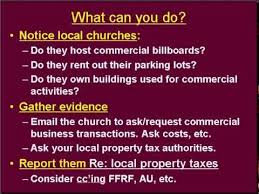
A New Testament church who puts tithes, offerings, and gifts into an ordinary trust should be careful not to do anything which makes them a legal entity: open bank account, contract, etc.

The ELC is right about the DOT when they say it is not secret and it is not modern. It has been around for hundreds of years. The concept was established by God. As to the last sentence of the ELC quote above, the ordinary Bible trust created by the DOT recommended by this author and the ordinary trust recommended by the BLC is not a way for the pastor to become the sole legal Trustee of all the church assets. When a properly worded DOT creates an ordinary trust into which a church places tithes, offerings, and gifts given to God in trust for the benefit of the true owner of the property to be administered by the trustee who has a fiduciary duty under God to use all the trust estate for God, the church remains a non-legal entity which cannot sue, be sued, contract, go into debt or act legally in any way; such a church, under the ordinary trust recommended by the “Separation of Church and State Law” ministry, has no physical assets; all the assets of such a church are spiritual. Note: Should such a church act legally (open a bank account, get insurance, etc.), the church becomes a legal entity in spite of the fact of the ordinary trust or DOT. Read the online PDF of Quick Reference Guide for Churches Seeking to Organize According to New Testament Principles for nutshell information on pitfalls for the church which utilizes the ordinary trust.

Note that a church which places tithes, offerings, and gifts in an ordinary trust estate gives to God. The church does the giving and – unlike gifts to a corporate church, a business trust church, or a charitable trust church, which are given to the corporation the business trust, or the charitable trust – the giving is to God.

None of the cases cited by the ELC make any point at all concerning the DOT and the ordinary trust created thereby; they support nothing the ELC is trying to argue. Truly, this whole ELC section is total nonsense and will serve to convince only those who are unknowledgeable concerning these matters. Most of the good folks who follow the ELC teachers never will have the time to do the studies necessary to examine ELC writing and teaching and therefore are easy prey to outright fallacies. The real tragedy is that good, well-meaning, born-again pastors and believers have followed these teachings, some for many years.

Endnote

Summary of Church of Scientology vs. Commissioner, 83 TC 381, 384 (1984):

Petitioner, a Church incorporated in the State of California, was granted tax-exempt status in 1957 under sec. 501(c)(3), I.R.C. 1954. In 1967 respondent sent petitioner a letter revoking its exemption following audit of petitioner’s records which was in part sparked by litigation involving the tax-exempt status of an affiliated Church of Scientology. Subsequent to issuing the letter of revocation, respondent conducted several audits of petitioner’s records for various tax years and also reviewed the tax status of several affiliated churches. Petitioner was also investigated by several intelligence groups which respondent specially formed during 1969 through 1975 to investigate taxpayers allegedly selected by essentially political criteria. During the period that petitioner’s taxes were under administrative review, petitioner conspired to prevent the IRS from determining and collecting taxes due from petitioner and affiliated churches. Petitioner sold religious services, books, and artifacts according to a fixed fee schedule through its branch churches and franchises. Petitioner’s profits from these sales were not less than $1,494,617.53 in 1970, $881,131.18 in 1971, and $1,707,287.17 in 1972. Petitioner maintained large cash reserves in a sham corporation and in a bogus charitable trust controlled by key church officials including petitioner’s founder. HELD, petitioner was not the victim of selective enforcement of the tax laws since the notice of deficiency was based on valid regulatory considerations. HELD FURTHER, various other asserted constitutional rights of petitioner not violated. HELD FURTHER, petitioner was not operated exclusively for an exempt purpose under sec. 501(c)(3), I.R.C. 1954, since petitioner had a substantial commercial purpose, since its net earnings benefited key Scientology officials, and since it had the illegal purpose of conspiring to impede the IRS from collecting taxes due from petitioner and affiliated churches and thus its activities, dictated at the highest level, violated well-defined public policy.

Chapter 3: Analysis of “Why such a strong stand against the Declaration of Trust?”

Contents of the Booklet

Related articles:

Chapter 3: Analysis of “Why such a strong stand against the Declaration of Trust?”

Jerald Finney
Copyright © November 13, 2014

Note. This is a continuation of the examination of Chapter 18 of Approved by God, a chapter which attacks the ordinary (Bible) trust, written by Ben Townsend of the Ecclesiastical Law Center (“ELC”). This article looks at the second section of that chapter.

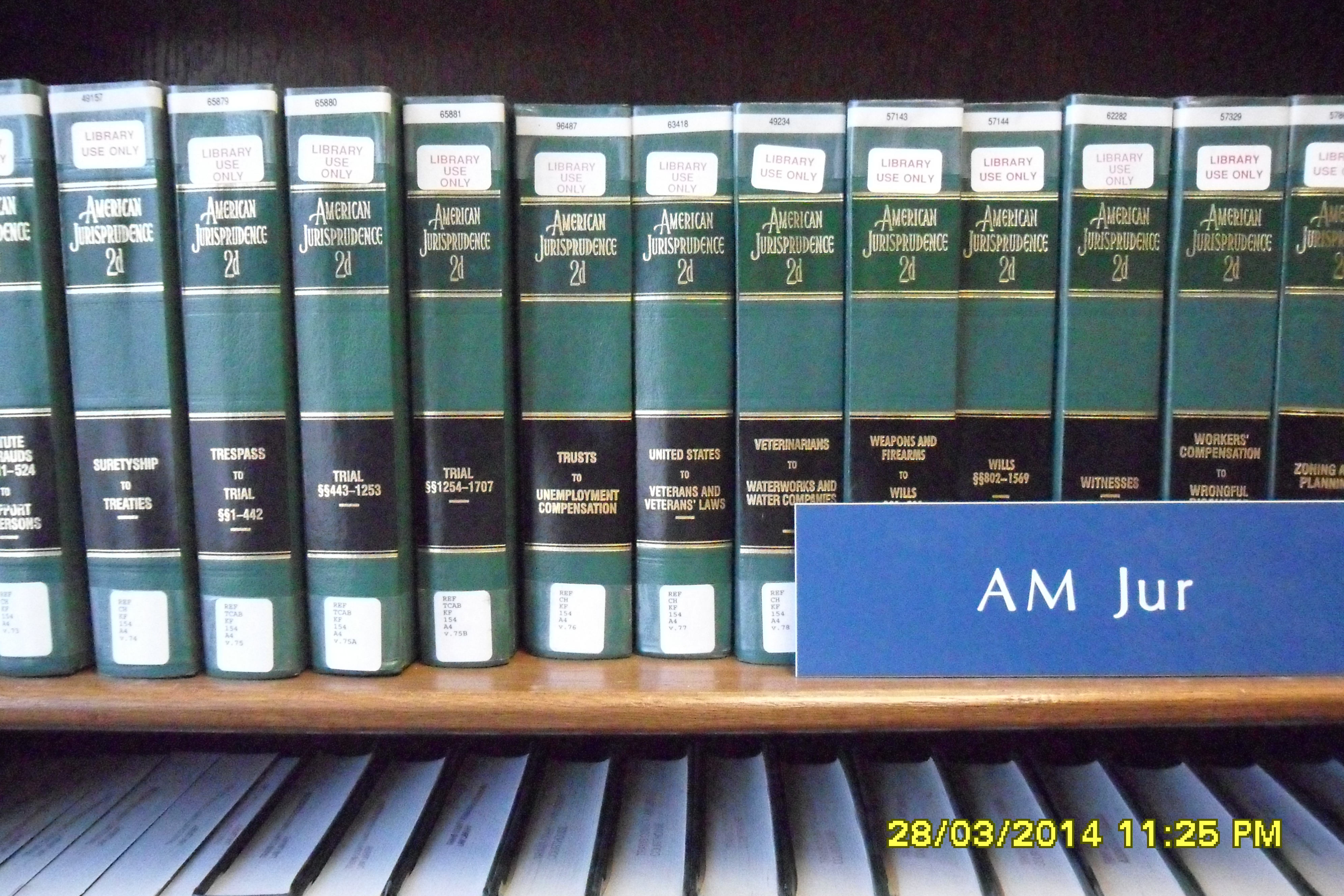
Navigating a particular law in the legal system is not as easy as it might seem. Here is a rack with the volumes from AM. JUR. 2D AND AM. JUR. 2D forms. This is only a good starting place to understand the law of trusts.

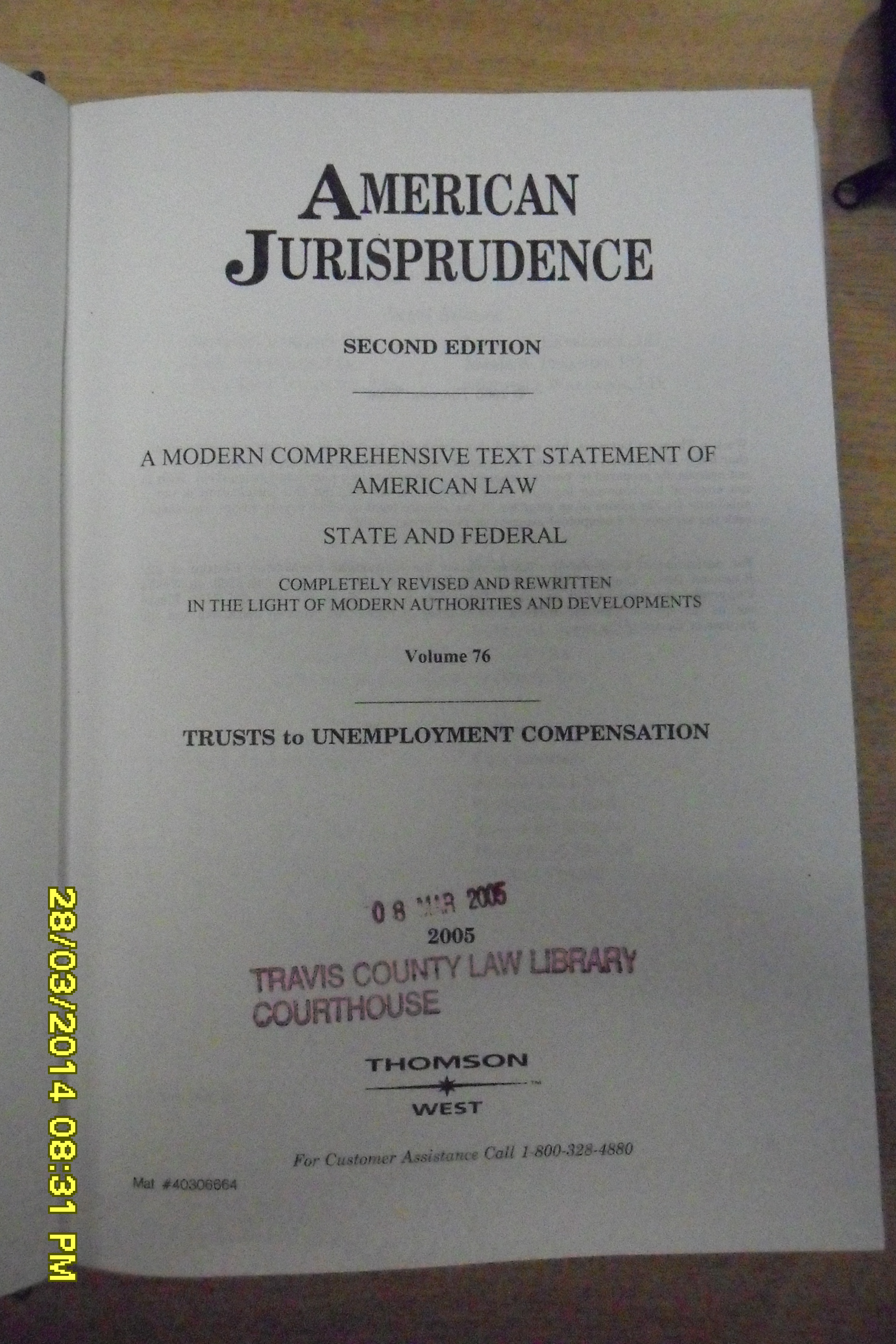
The ELC begins this section by stating that that the “Declaration of Trust” (“DOT”) is a trust document. That is true. The DOT is a document which creates a trust. They are not right about their strong stand against the DOT based upon that fact. As shown below, it is ironical that the ELC has declared that the method they use establishes a type of trust. See Analysis of “The Questions will keep coming,” the last section of Chapter 18 of Approved by Man; that is, the ELC has declared a trust for those using their methods, but their trust must be a business trust or some other kind of trust because they quote from the laws dealing with various kinds of trust, but never from trust law covering the ordinary trust such as 76 AM. JUR. 2D Trusts. They exemplify this in the very section being analyzed in this chapter.

The ELC never quotes from this volume when attacking the ordinary trust, and this is the volume that explains the ordinary trust.

They quote nothing from 76 AM. JUR. 2D Trusts which explains the law of ordinary trusts. Rather, they quote for 13 AM. JUR. 2D Business Trusts. There are considerable differences between an ordinary trust and a business trust, some of which are explained in Is the Ordinary Trust a Legal Entity? Again, there are various kinds of trusts. Some are legal entities. Business trusts and charitable trusts, for example, are legal entities. The ordinary (Bible) trust is not.

Honest research requires finding the right law.

To repeat a very important fact, the ELC has a Declaration of Trust. It is in print. This will be shown below by quoting word for word from their own published books. You can look at their declaration and their source definitions and see if this is the truth about this matter or not. The type trust they recommend (without realizing it) must make a church who utilizes their method a legal entity. That means that, as a legal entity, that church is partially under another head other than the Lord Jesus Christ. Of course, as long as no one makes an issue of it, the church so organized may continue without interference. In the meantime, only the Lord Jesus Christ is grieved because His church has unknowingly submitted herself to civil government.

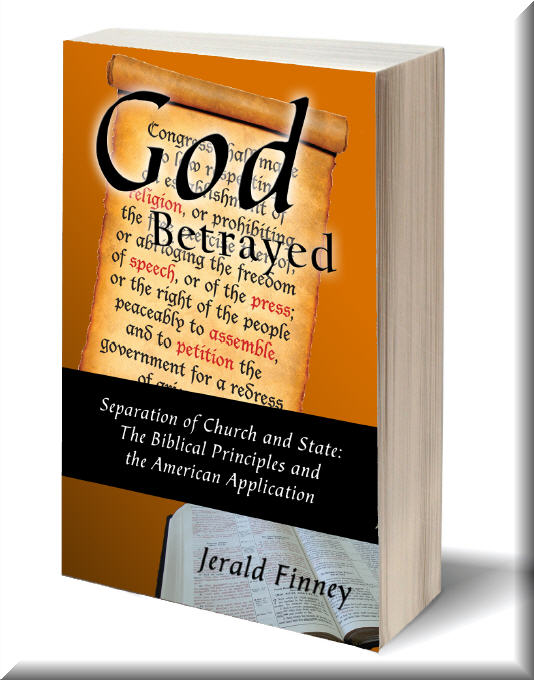
Click the above to go to online version of God Betrayed.

The following quote is from Section VI, Chapter 1 of God Betrayed/Separation of Church and State: The Biblical Principles and the American Application, pages 351-352:

  • “It is impossible for a New Testament Church to remain a New Testament church if that church chooses to do one thing which may result in legal subjection to the civil government. In other words, when a New Testament church does anything contrary to Scripture which gives even partial claim of sovereignty over that church to the state, that church has committed a wicked act which subjects her to another head, thereby greatly displeasing the Lord. That church has betrayed the Lord.
  • “Doing one thing that subjects a church to the state creates a legal entity. “Legal entity” means: “Legal existence. An entity, other than a natural person, who has sufficient existence in legal contemplation that it can function legally, be sued or sue and make decisions through agents as in the case of corporations.” (BLACK’S LAW DICTIONARY 893-894 (6th 1990), definition of “legal entity.”)
  • “Corporations are legal entities. On the other hand, a pastor/trustee may hold legal title to real and/or corporal personal property for the benefit of the Lord Jesus Christ through a Declaration of Trust without having created a legal entity. Such a trust relationship cannot sue or be sued. ‘Any kind of property, whether real or personal, freehold or leasehold, and any interest therein, whether legal or equitable, may be impressed with a trust. While the question of what property is made subject to a trust is determined by the terms of the trust, as a general proposition a property interest must be transferable to be the subject of an express trust.’ 76 AM. JUR. 2D Trusts 247 (2007). Personal property includes movable and tangible things such as furniture, merchandise, etc., (BLACK’S LAW DICTIONARY 1217, definition of ‘Property.’) ” [Bold emphasis mine.]

For many reasons, a church placing tithes, offerings, gifts, and properties in an ordinary trust (which is a non-legal entity) – as opposed to placing tithes, offerings, gifts, and properties into a legal entity such as a corporation, a business trust, charitable trust, or any other legal entity – is the perfect biblical way to do so. Remember, as pointed out in various places in this booklet, that the true, equitable, and beneficial owner of the trust estate of the ordinary trust utilized by the BLC and by the SCSLM is the Lord Jesus Christ, not the church and not the trustee. The Endnote below links to the entirety of Section VI, Chapter 7 of God Betrayed; that chapter explains the Declaration of Trust and the ordinary trust, and compares incorporation with the ordinary (Bible) trust and proves that they are entirely different. It explains in detail exactly what each is.

The ELC in the section being analyzed, “Why such a strong stand against the Declaration of Trust?” starts with the statement, “This is simple. It is a ‘Trust’” etc. In other words, the ELC is stating that they take such a strong stand against the DOT because it is a trust. They then give the definitions of “Declaration of Trust” from a hodgepodge of sources:

(1) LegalCentral.com:

 “A Declaration of Trust (sometimes called a Bare Trust) is one of many types of Trusts available… A Declaration of Trust is a legal structure that allows the division of the beneficial and legal ownership. The person holding the asset for your benefit is the Trustee. The Trustee has legal ownership only. You are the beneficiary. You have beneficial ownership. Provided you are 18 years of age and of sound mind you boss the Trustee around. You tell the Trustee what to do with your asset.” (The comments of the author: This quote deserves the trashcan. A DOT is not a trust. It is the instrument that creates a trust. The statement has some truth and a lot of garbage. Anyone with any legal knowledge of trust law can only laugh at this statement.)

(2) Thompson-Gale Legal Encyclopedia:

“An Assertion by a property owner that he or she holds the property or estate for the benefit of another person, or for particular designated objectives.” (Comment: Another useless statement.)

(3) Barron’s Real Estate Terms:

“A written statement by a Trustee to acknowledge that the property is held for the benefit of another.” Then Barron’s gives an example which says: “A Declaration of Trust was signed by a Trustee to state that certain valuable land was being held in Trust for certain orphaned children.” (Comment: Another statement grabbed out of context that has no definitive value to the invalid point the ELC  is trying to make.)

(4) Wikipedia:

“In Trust Law, a settler who declares that he holds certain property on trust is said to make a ‘Declaration of Trust.’”

The ELC quotes here from 13 AM. JUR. 2D Business Trusts. That is the wrong volume to research the ordinary trust.

(5) . “American Jurisprudence 2d explains this Declaration of Trust under Business Trusts, 13 Am.Jur2d, section 1:

“A business trust is formed under, or on the basis of, an instrument or declaration of trust, which must conform to statutory and other requirements relating to trusts. No special form need be followed in creating a Massachusetts or business trust. It is even possible to create such a trust without the use of the word ‘trust’ or ‘trustee,’ where the intention to do so appears from the instrument as a whole. The trust instrument should, however, embody all the elements necessary to constitute a business trust. There should be an unequivocal declaration of trust, a vesting of title in named trustees, a description of the character of the business to be carried on, an outline of the powers and duties of the trustees, provisions for the tenure and election of trustees and for the issuance of certificates of beneficial interest and the transfer thereof, with a statement of the rights of shareholders with respect too profits and dividends. If desired , there may be provisions fixing the term and duration of the trust and limitting or negativing the liability of shareholders and trustees to third persons. The members and trustees are entitled to have the trust instrument applied according to its terms, so long as it does not offend the law or public policy of the state.” [Bold emphasis mine]

The ordinary trust may be distinguished from the business trust in many ways. A few follow. The ordinary trust is very different from the business trust described in 13 AM. JUR. 2D Business Trusts. In an ordinary trust, unlike a business trust, there is no business to be carried on, trustees are not elected and provisions in the DOT provide for a successor trustee in the event the trustee wishes to step down, become incapacitated, die, etc., there is no beneficial interest and the transfer thereof, there are no shareholders, profits, or dividends. The ordinary trust is not a legal entity whereas the business trust is. See 76 AM. JUR. 2D Trusts which lays out the law of the ordinary trust.

(6) Black’s Law Definition of Declaration of Trust: the “act by which the person who holds the legal title to property or an estate acknowledges and declares that he holds the same in trust to the use of another person of for certain specified purposes. The name is also used to designate the deed of [I’m sure they meant “or”] other writing embodying such a declaration.”

What is so ironical about the ELC attacks against the ordinary trust and the DOT is that the ELC has declared their own trust in writing; they have made a written “Declaration of Trust.” If you doubt this, please go to pages 149-150 of Approved by God: A Case for Modern Disestablishment (Mesick, Michigan: Adorn Books 2004), an ELC book. Pages from that book are quoted below. Compare their words with the words from the definitions they rely on to attack the ordinary trust. It is apparent that they are declaring some type of trust.

As is explained in Analysis of “The Questions will keep coming, the last section of Chapter 18 of Approved by Man:

According to the declarations of the ELC, they recommend a type of trust (maybe a business trust) by which “property should be held by the church in trust for the Lord Jesus Christ, who is the true and beneficial owner.” (See, Robin Wright and Ben Townsend, Approved by God: A Case for Modern Disestablishment (Mesick, Michigan: Adorn Books 2004), p. 149.). The ELC states that for property be held to reflect the ownership of Christ over His church “the property should be held by the church in trust for the Lord Jesus Christ, who is the true and beneficial owner.” (Approved by God, p. 149).

The ELC states that property may be held in three ways: “(1) as a corporation, (2) as an unincorporated association and:

“(3) as an individual. How can property be held to reflect the ownership of Christ over His church? It must be held as an individual, and that individual must be the Lord Jesus Christ! The property should be held by the church in trust for the Lord Jesus Christ, who is the true and beneficial owner. In spite of the skepticism of many, churches in 22 states have placed their property in the name of the Lord Jesus Christ without incident.” Approved by God, p. 149. The book goes on to say that “the church, by the Pastor, can execute a deed on behalf of the Lord Jesus Christ.” Ibid., p. 150.

The last paragraph of the section which is the focus of this article, “Why such a strong stand against the Declaration of Trust? states: “So, every resource cited has explained that the Declaration of Trust is a Trust document. And placing church property in a Trust is no different from placing it into a corporation.” The last sentence is another totally ridiculous statement on two accounts. First, the ELC unknowingly condemns their own method, and correctly so. Their statement may be correct as applied to the trust they recommend since it is irrefutable that the trust they recommend must be based upon the law of some type trust – such as business trust or charitable trust – since all their understanding of trusts is taken from trusts which are legal entities. Apparently they have never examined the law of ordinary trust, or, if they have, they have ignored it because it defeats their attack against the ordinary trust. Second, corporations and some kinds of trusts are legal entities. A business trust is a legal entity and has other similarities to a corporation. On the other hand, the ordinary (Bible) trust which I recommend is not a legal entity and is totally different from a corporation. This is explained in detail in Separation of Church and State: God’s Churches – Spiritual or Legal Entities?

Thank you, ELC, for waking up our brain cells.

The ELC and those who depend thereon need to study these matters. Since pastors have a full time job, they need the assistance of those with legal as well as Bible knowledge. A correctly worded and implemented Declaration of Trust which makes clear that from henceforth, a church abandons the ELC declaration as well as other measures will assure them that they are accomplishing their goal or glorifying God. The trust which they establish creates a legal entity. They should adopt a DOT which establishes an ordinary trust. For many other reasons other than those already indicated in these articles, that would be by far their best course of action.

“The Endnote below links to the entirety of Section VI, Chapter 7 of God Betrayed/Separation of Church and State: The Biblical Principles and the American Application; that chapter explains the Declaration of Trust and the ordinary trust, and compares incorporation with the ordinary trust.

Endnote

The following links to the entirety of Section VI, Chapter 7 of God Betrayed/Separation of Church and State: The Biblical Principles and the American Application; that chapter explains the Declaration of Trust and the ordinary trust, and compares incorporation with the ordinary trust:

Click here to go directly to the online version of Section VI, Chapter 7 of God Betrayed/Separation of Church and State: The Biblical Principles and the American Application.

Chapter 8: Analysis of “The Questions will keep coming”

CoverApprovedByMan

Contents:

Related articles:

Chapter 8: Analysis of “The Questions will keep coming”

Jerald Finney
Copyright © November, 2014

Note. This is a continuation of the examination of Chapter 18 of Approved by God  written by Ben Townsend of thd Ecclesiastical Law Center (“ELC”), a chapter which attacks the ordinary trust.

One may be thinking, “Why should anyone get into this? It seems complex and it looks like Jerald Finney and the ELC each have a vendetta.” Or you may be a pastor of a church who has organized according to the recommendations of the ELC or according those of the Biblical Law Center (“BLC”) or those of the Old Paths Baptist Church “Separation of Church and State Law” ministry (“SCSLM”) and believe your leaders. The reason for a believer to take these matters seriously is that there is nothing more important than keeping the bride and wife of Christ pure and chaste. Ephesians 5.23-27, 30-32 states:

Is the church you are a member of being prepared for His coming?

 “For the husband is the head of the wife, even as Christ is the head of the church: and he is the saviour of the body. Therefore as the church is subject unto Christ, so let the wives be to their own husbands in every thing. Husbands, love your wives, even as Christ also loved the church, and gave himself for it; That he might sanctify and cleanse it with the washing of water by the word, That he might present it to himself a glorious church, not having spot, or wrinkle, or any such thing; but that it should be holy and without blemish…. For we are members of his body, of his flesh, and of his bones. For this cause shall a man leave his father and mother, and shall be joined unto his wife, and they two shall be one flesh. This is a great mystery: but I speak concerning Christ and the church.”

The ELC states in this section:

“The Director of the Biblical Law Center stated that Indianapolis Baptist Temple did not lease the property that the church now occupies, but the lease contract was made with the Pastor/Trustee and not the church. This is also an incorrect statement. The lease was made by the church and signed by the Pastor/Trustee. It seems like they would love to have the best of both worlds: entangle as much as possible, all the while convincing everyone that they are not entangled.” Robin Wright and Ben Townsend, Approved by Man: A Case for Biblical Reasonableness (Mesick, Michigan: Adorn Books 2009), p. 182.

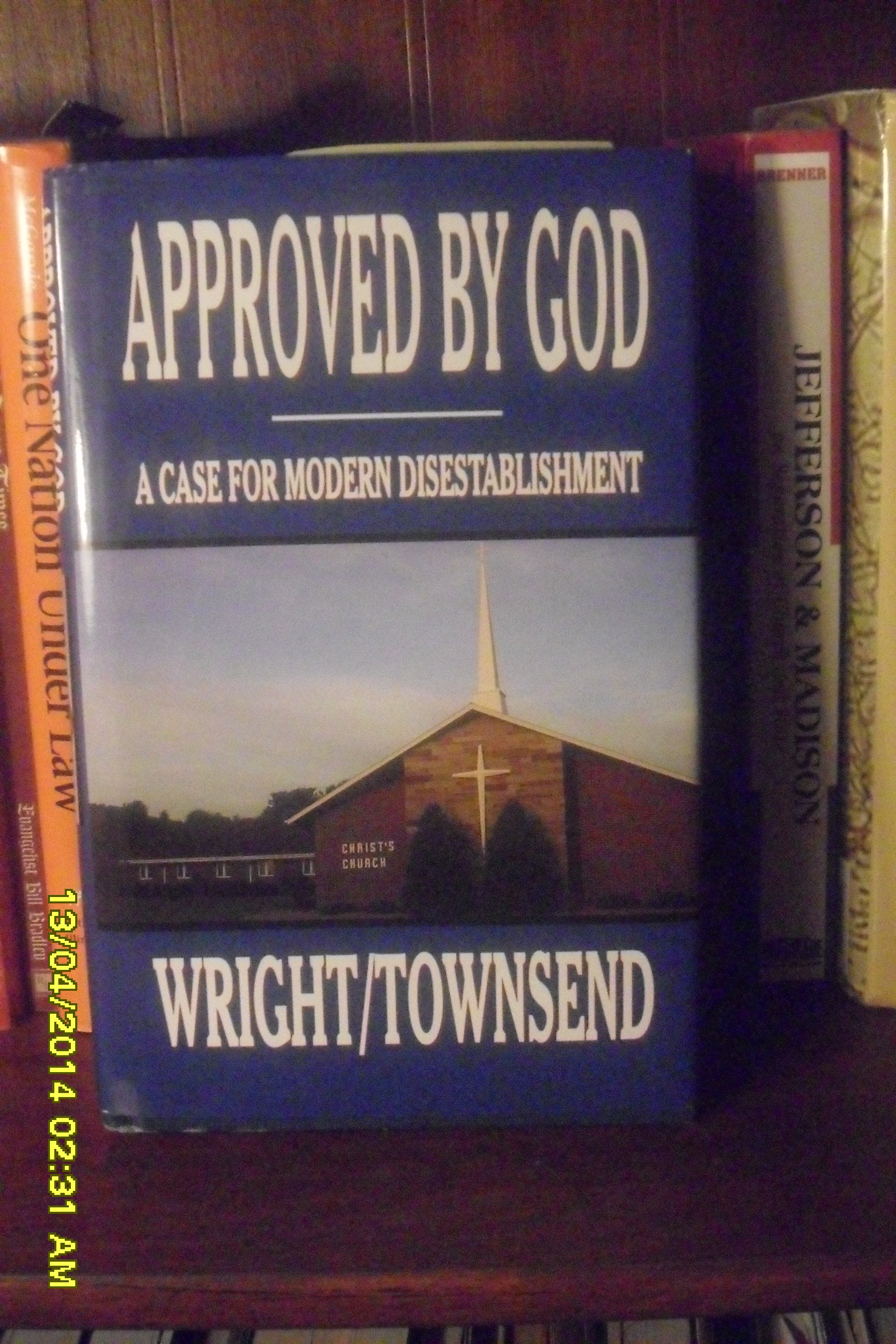
CoverApprovedByGodAs amazing as this may sound, the ELC in the above paragraph explains the state of affairs that would exist had Indianapolis Baptist Temple organized according to the manner prescribed by the ELC, and not the state of affairs that exists due to the Declaration of Trust adopted by Indianapolis Baptist Temple and the ordinary trust thereby created. According to the declarations of the ELC, they recommend a type of trust (a business trust) by which “property should be held by the church in trust for the Lord Jesus Christ, who is the true and beneficial owner.(See, Robin Wright and Ben Townsend, Approved by God: A Case for Modern Disestablishment (Mesick, Michigan: Adorn Books 2004), p. 149.) Those are their actual words, and their surrounding words dig them into a deeper pit. See below for a more thorough analysis of their statements (which are in red below) and the ramifications of those statements.

Should any reader believe not believe this, get the ELC books, Approved by Men, and read Chapter 18 and also pages 149-150 of Approved by God. Then study these matters out. It is obvious that the author of Chapter 18 did not have a clue about the ramifications of ELC recommendations for church organization or the truths concerning the things they attack – the Declaration of Trust and the ordinary trust thereby created.

One can clearly understand these matters by correct study and analysis.

The trust document which creates an ordinary trust into which Indianapolis Baptist Temple places tithes, offerings, gifts, and properties is administered by the pastor/trustee for the benefit of the true owner of the money/property. The document lays out the power of the trustee which would certainly include provisions for a meeting place for the church body. Exactly what the law says concerning whether or not an ordinary trust is a legal entity is explained in the article: Is the ordinary trust a legal entity? That article quotes the relevant law and includes a page directly from 76 AM. JUR. 2D which states that the ordinary trust is not a legal entity with supporting case citations. The law makes clear that the type trust described in 76 AM. JUR. 2D is not a legal entity. It also makes clear that the trustee of the ordinary trust  is the legal owner of the trust estate and that the true, equitable, and beneficial owner is the Lord Jesus Christ (the beneficiary), and that the trustee has the fiduciary duty to administer the money/property in the trust estate for the benefit of the Lord Jesus Christ. The church is the trustor or settlor of the trust. That simply means that the church gives their tithes, offerings, and gifts to the Lord Jesus Christ. They do this by placing tithes, offerings, and gifts in the trust estate. The trustee administers the trust estate, not the church. The church does not hold, control, or administer the trust estate. The trustee administers the money/properties for the benefit of the Lord Jesus Christ, not for the church. The church who creates an ordinary trust through a properly worded Declaration of Trust does not become a legal entity thereby. Of course, such a church must be careful not to do anything which will declare themselves to be a legal entity (e.g., hold a bank account or take out insurance in the name of the church). For a quick look at some of the matters involved see Quick Reference Guide for Churches Seeking to Organize According to New Testament Guidelines.

On the other hand, the organization recommended by the ELC makes the church a legal entity, since according to their own unknowledgeable arguments against the Declaration of Trust used by the BLC and this ministry, they in effect attack their own method of holding property. This may require some study for the novice in these matters, but once one gets a grasp on these concepts, the truth is obvious. However, without studying these matters out and carefully analyzing what the ELC is stating, one can be deceived by their language.

The ELC states that for property be held to reflect the ownership of Christ over His church “the property should be held by the church in trust for the Lord Jesus Christ, who is the true and beneficial owner.” (Robin Wright and Ben Townsend, Approved by God: A Case for Modern Disestablishment (Mesick, Michigan: Adorn Books 2004), p. 149).

Approved by God, p. 149

The ELC states that property may be held in three ways “(1) as a corporation, (2) as an unincorporated association and:

“(3) as an individual. How can property be held to reflect the ownership of Christ over His church? It must be held as an individual, and that individual must be the Lord Jesus Christ! The property should be held by the church in trust for the Lord Jesus Christ, who is the true and beneficial owner. In spite of the skepticism of many, churches in 22 states have placed their property in the name of the Lord Jesus Christ without incident.” Approved by God: A Case for Modern Disestablishment, p. 149. The book goes on to say that “the church, by the Pastor, can execute a deed on behalf of the Lord Jesus Christ.” Ibid., 150.

Approved by God, p. 150

The ELC is confused since they first say that the property must be held by the Lord Jesus Christ and then they say that the property should be held by the church in trust for the Lord Jesus Christ. Of course, legal earthly title to property and money cannot, at this point in time, be held by the Lord Jesus Christ since he left all earthly temporal property and assets to be held in trust by man and has given earthly civil government temporal jurisdiction. If a nation honors God and His precepts, that nation will also honor God’s churches, and vice versa. If a believer or church is found out in North Korea (and many other nations), any properties and assets will be confiscated and the believers will probably be executed. God allows individuals, families, churches, and nations free will to honor or dishonor him, for the time being.  The ELC, in the above statement, also says that the church is to hold the property.

The ELC states the elements of a trust, but then compromises the legal position of their trust by always referring to the law of trusts which are legal entities, not to the law of the non-legal entity ordinary trust. Some of the words of the ELC quoted above is taken straight out of legal books which define the trust. But then they say, “Held by the church in trust for the Lord Jesus Christ.” (Bold emphasis mine). For a church to hold property violates biblical principle. (See The Biblical Doctrine of the Church and The Biblical Doctrine of Separation of Church and State). Not only that, only a legal entity can hold property. There must be a legal owner of property, even if the legal and true and beneficial owner are not the same. They do not realize that they are in effect stating that the church is a legal entity.

This all clearly shows that the ELC recommends compromising the position of a church who uses their method. They state the church is to hold the property” in trust for the Lord Jesus Christ, who is the true and beneficial owner.” By so stating, they open the door to a rational argument that the church is the trustee of the property which is held in a business trust, a legal entity; this argument is strengthened by the fact that, in their attacks against the ordinary trust they incorrectly rely on the law of business trusts.

The ELC teaches that the trust is a legal entity. They are partially correct in that some types of trusts are legal entities. However, the ELC does not quote from the law concerning ordinary trusts as to the legal entity status of the ordinary trust (see above). They do this to establish their incorrect position that the trust utilized by the BLC and the ordinary Bible trust used by SCSLM are legal entities. They quote from the law concerning, for example, business trusts. See pages 175-177 of Approved by Man: A Case for Biblical Reasonableness by Wright/Townsend, for an example of where they quote from the law of business trusts and apply it to the ordinary trust. In American Jurisprudence, the law of business trusts is covered in volume 13 whereas the law concerning ordinary trusts is covered in volume 76. The two types of trusts are very distinct types of trusts.

Thus, the ELC in their zeal to discredit the ordinary trust, reveal that they have created a type of  trust, a business trust, which is a legal entity. A business trust is a legal entity which can act legally, sue, be sued, go into debt if so desired, and enter into contracts (the ELC teaches against a church going into debt and entering into contracts.). Since they declare that the church is to hold the property for the true owner, they are declaring that the church holds the property through a trustee; therefore, the church has to be a legal entity since only a legal entity can hold legal title to property; a spiritual entity cannot hold title to property. The trustee of an ordinary trust holds legal title and the beneficiary of the trust holds true, beneficial or equitable title to property.

The ELC then states that “the church, by the pastor, can execute a deed on behalf of the Lord Jesus Christ.” Ibid.

The ELC claims that the church can execute a deed. Only a legal entity can execute a deed. At the same time, they state that the church executes the deed by the pastor. Thus, the pastor of an ELC church effectively serves as trustee for the church, but trustee of what? Not a non-legal entity ordinary trust which is something they do not understand. He serves as trustee of a legal entity and that legal entity is the church he signs for.

Public sentiment and the lack of legal action against churches protects churches from legal scrutiny. For the foreseeable future, ELC churches do not have to worry about attacks. Consider the situation in which the owner of property has been dead for years and the man living on the property has paid the taxes since. As long as he keeps up on the taxes and no one takes the issue to court, the man will be able to enjoy the property. Should an ELC church ever be in the legal sights of government lawyers, the ELC has subjected churches who use its methods to a compromised position and sharp government lawyers who study this out should have no trouble in piercing their armor. More importantly, the ELC, by not proceeding according to knowledge, wisdom, and understanding, has unknowingly dishonored the Lord.

As a sidenote, I believe that it is incorrect to say that property may be held as an individual, corporation, or unincorporated association. I believe that the correct way of putting it is that property may be held by or in the name of an individual, corporation, or association.

In the second paragraph, the ELC states:

“Now, I am not saying these people are ‘evil.’ I am saying they are ‘wrong.’ I’m saying they do not know Trust law. And their ‘wrongness’ has caused them to continue to misunderstand the facts, and misrepresent their Trust document. To perform a Declaration of Trust is a wrong position to take for any church. We believe that it will do more damage to unincorporated churches in the long-run than the ‘help’ and ‘accommodation’ it may give in the short run.”

Now, this author is not saying these ELC people are ‘evil.’ He is saying they are ‘wrong.’ He is stating the obvious: The ELC and Ben Townsend do not know Trust law. And their ‘wrongness’ has caused them to continue to misunderstand the facts, the relevant Bible precepts, and the law, and to recommend a manner by which a church should hold property thereby putting the church in the position of being a some type of legal entity. They rely on the law concerning business trusts to attack the ordinary trust and the Declaration of Trust which creates the ordinary trust. The ELC method has the potential do more damage to churches in the long-run than the ‘help’ and ‘accommodation’ it may give in the short run. As long as no one rocks the boat, and as long as the civil government does not zero in on churches organized according to the ELC method, those churches should have no problems. However, the Lord is grieved since the ELC has proceeded hastily without knowledge, understanding and wisdom. They do not know how to do legal research and  analysis nor can they correctly apply the law to the facts. If they do not believe the conclusions of this author, he challenges them to ask the local property tax board, the lawyer of the person who was hurt on ELC church property, or the lawyer on the other side of any dispute involving ELC church money or property to contact this attorney for advice on how to include the ELC church in the action. For this author to help would not dishonor the Lord since such help might wake all those believers and pastors up who are unknowingly dishonoring the Lord by depending upon the ELC for help.

Chapter 1: Analysis of the title to and first two paragraphs of Chapter 18 of “Approved by Man”

CoverApprovedByMan

Related articles:

Chapter 1: Analysis of the title to and first two paragraphs of Chapter 18 of “Approved by Man”

Thank you, ELC, for waking up our brain cells.

Jerald Finney
Copyright © November 6, 2014

The ELC article, Chapter 18 of Betrayed by Man, begins with two paragraphs. Thereafter, it is divided into titled sections. This chapter will analyze the title and then the first two paragraphs.

The reader should especially notice that this chapter reveals that the ELC method of church organization has, by published ELC admission and according to ELC criteria for what gets a church into trouble, gotten ELC churches into trouble. The ELC method gets churches into the legal system, whereas the BLC method they attack does not.

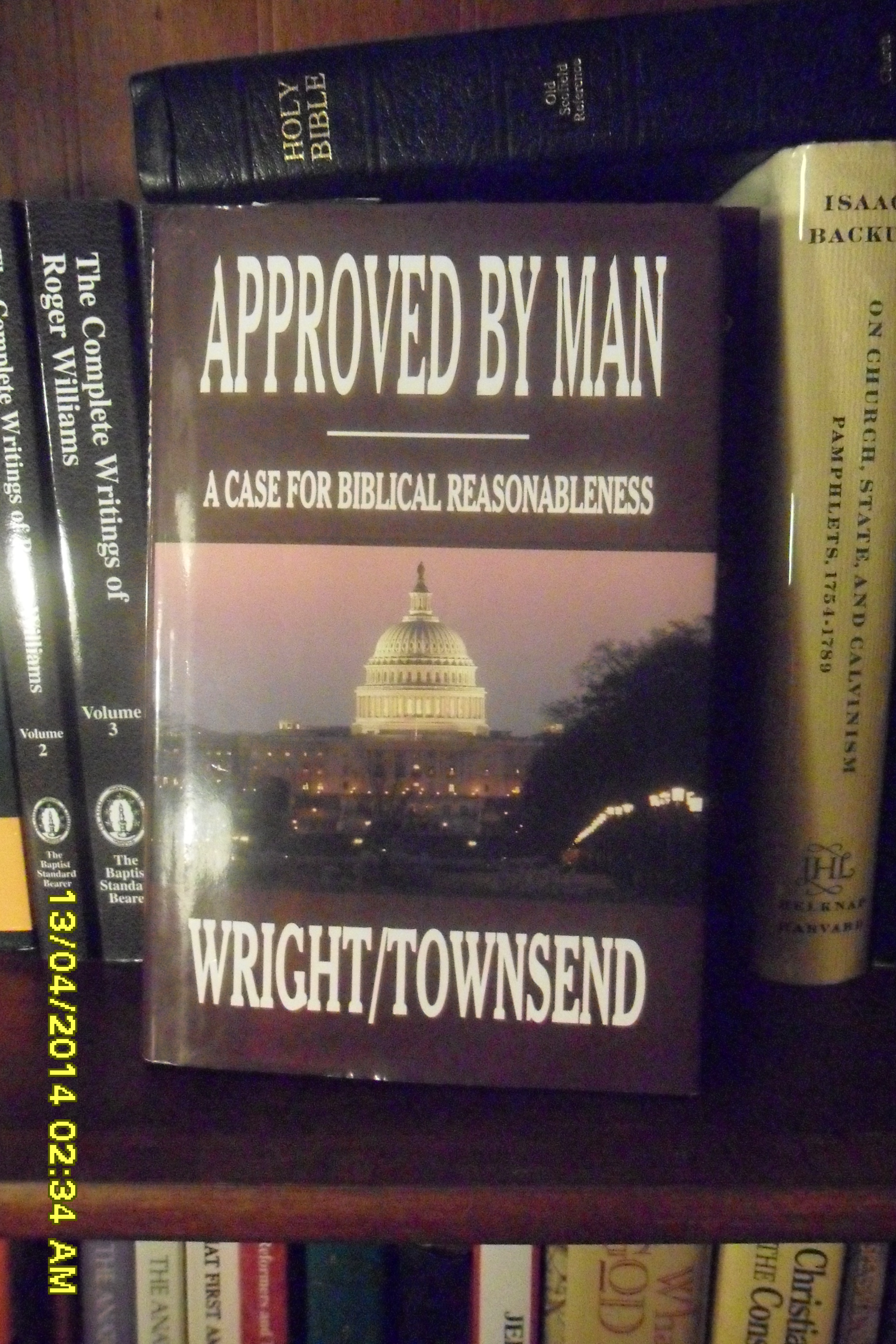
Approved by Man: A Case for Biblical Reasonableness” by John R. Wright and Benjamin E. Townsend, leaders of the Ecclesiastical Law Center (“ELC”)), was published in 2009. Concerning the ordinary trust and the DOT, only the teachings of the Biblical Law Center (“BLC”) and this Old Paths Baptist Church “Separation of Church and State Law” ministry or those of the ELC are correct – the teachings are mutually exclusive. The ELC has publicly made this an issue. The ELC has also publicly attacked people who promote the ordinary trust including pastors, churches, and the Biblical Law Center. This booklet corrects the false ELC teachings concerning the ordinary trust and Declaration of trust; and also exposes the ill advised recommendations for church organization by the ELC for what they are.

This chapter analyzes the title to and first two paragraphs of Chapter 18, “Should a Church Be Placed In a Declaration of Trust?” which is also on the home page of the ELC website (ELC website: http://lordshipchurches.info/). Chapter 18 is analyzed paragraph by paragraph and section by section.

Analysis of the title to the chapter

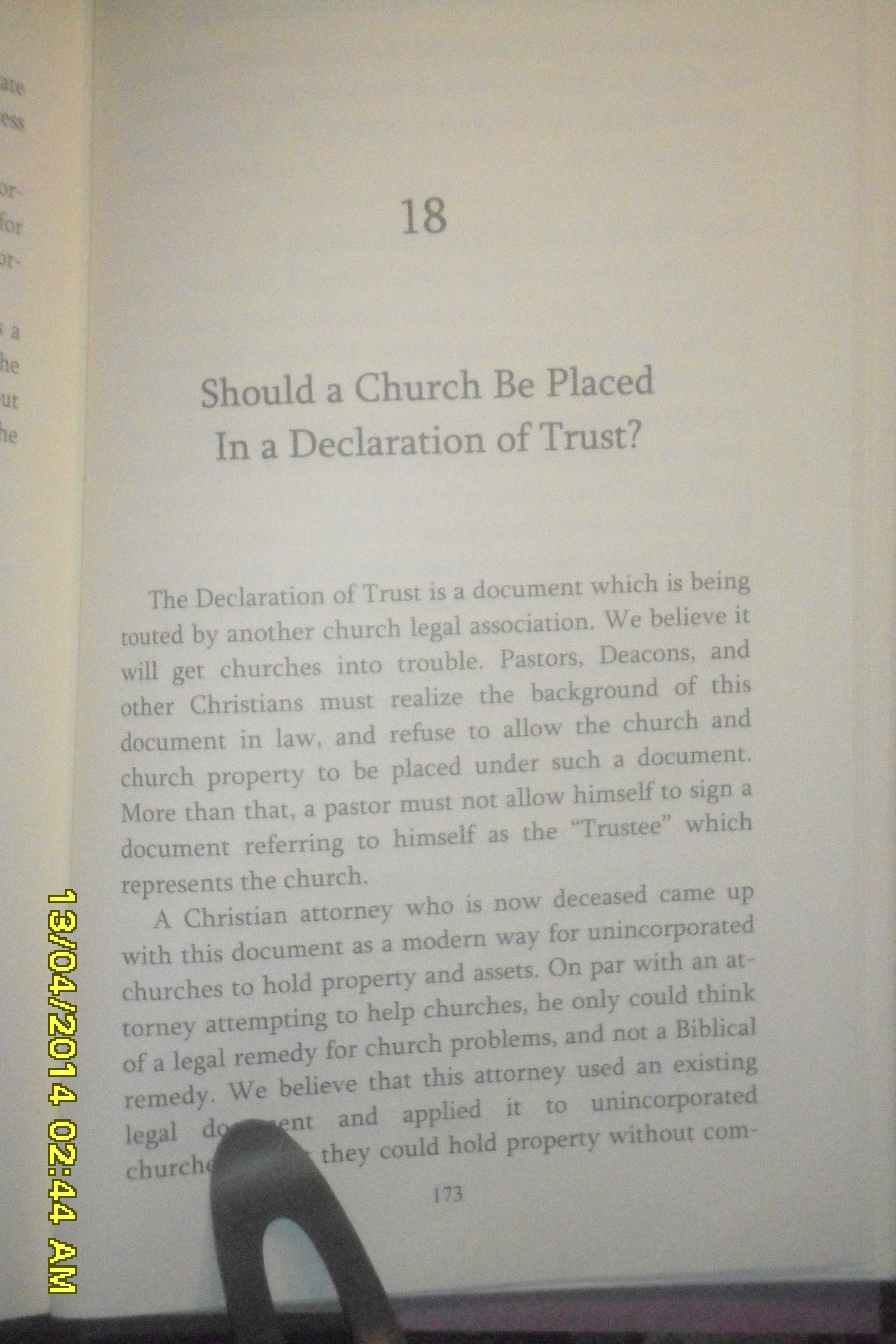
173FlashABManThe title to Chapter 18 – “Should a Church Be Placed In a Declaration of Trust?” – should alert anyone with any knowledge of the subject that the author of the chapter may not understand the ordinary trust and the Declaration of trust. One cannot “place a church in a Declaration of Trust.” A Declaration of Trust (“DOT”) is merely a document which creates an ordinary trust, a relationship whereby a trustee is to hold property for the benefit of the true or equitable owner of the property. The DOT is one manner in which one may set up an ordinary trust which is not a legal entity (or some other type of trust such as a Business Trust or Charitable Trust, both of which are legal entities). One may establish an ordinary trust with or without a DOT. In fact, when a church – as does an ELC church – entrusts tithes, offerings, gifts and/or property to a pastor or other person(s) for the benefit of the true owner, the Lord Jesus Christ, that church has established a trust with the pastor as a trustee; for a church to so establish a trust relationship without a DOT is unwise. For example, when an ELC church holds property in the name of the Lord Jesus Christ, the church, by the pastor, acts as a legal entity by signing the deed; that pastor is the trustee of a trust. This will be explained in detail in this series of articles. The better practice is to declare an ordinary, non-legal entity trust through a properly executed DOT.

The ordinary trust is described in Volume 76 of the legal encyclopedia AMERICAN JURISPRUDENCE 2d. “Is the ordinary trust a legal entity?” explains why this ordinary trust is not a legal entity; this question is important because the ELC insisted for years that the ordinary trust utilized by BLC churches and the Old Paths Baptist Church Separation of Church and State Law Ministry (SCSLM) was a legal entity. Only after the first 8 chapters of this booklet were published online did Ben Townsend, against public revelation of solid fact which cannot be refuted, relent and admit that the ordinary trust is not a legal entity. Chapter 13 of this booklet addresses an article written by Ben Townsend after the first 8 chapters of this booklet was published in which he finally admitted that the “trust” is not a legal entity.” Read chapter 13 to find Townsend’s ridiculous slant after that admission and this author’s response: this author actually countered Townsend’s slant in 2008 as chapter 13 reveals.

Other articles in this series fully explain the ordinary trust which is also explained in Section VI, Chapter 7 of God Betrayed/Separation of Church and State: The Biblical Principles and the American Application which is available free in online and PDF form. See Order Information for Books by Jerald Finney should you desire to get a softback copy. One of the many flaws in the legal research and analyses of the ELC is that they indiscriminately grab out of context statements from court cases, legal encyclopedias, etc. and just make up fictitious and incorrect law to attack the ordinary trust and DOT. As will be seen as Chapter 18 of Townsend’s book is analyzed in this and subsequent chapters, the ELC, for example, uses the law of business trusts and incorrectly applies it to the ordinary trust.

Analysis of the first paragraph

174FlashABManThe article begins by saying, “We believe it [the DOT] will get churches into trouble.” Ben Townsend, an ELC leader, has gone so far as to mount a dishonest online attack against a church which places tithes, offerings, gifts and property in a trust whereby the trustee of that trust has a fiduciary duty to use the monies and properties for the benefit of the true owner of the property. The DOT has never gotten any church into trouble, although Ben Townsend has lied and stated that it has. ELC churches have to, as Wright/Townsend state in Chapter 3, page 35 of Approved by Man, “handle legal church problems.” In that chapter, Townsend not only reveals that ELC churches must go to court but also falsely leads one to believe that he can represent churches in court. He is not an attorney and he cannot represent anyone or any entity in court because he is not a lawyer. Furthermore, he is not qualified to do so; nor is he qualified, as is obvious from the analysis of Chapter 18, to do legal research, especially, as he puts it, “intense legal research.”

In Chapter 3 of Approved by Man, Townsend speaks of lawsuits involving ELC churches, tax on property of an unincorporated church, and inspections of the “church’s building.” Using Townsend’s reasoning, the ELC method admitedly gets churches into trouble all the time. Unlike the ELC churches referred to in Chapter 8, a church which places tithes, offerings, and gifts into an ordinary trust as recommended by the BLC and the SCSLM is not a legal entity which cannot be taken into court or agency process; the DOT and the ordinary trusts thereby created have kept BLC churches out of legal problems and legal actions. Chapter 3 makes clear that an ELC churches own property, can and have been taken to court, and are therefore legal entities. Because churches in general enjoy favorable public sentiment and have protections which no other institution or entity has, there has not been an in depth and dedicated study of ELC methods by government lawyers and ELC churches have not been called for what they are – legal entities who have given up much of their biblical and First Amendment protections. One should note that governments still allow sales and property tax exemptions for all churches whether legal entities or not. When a local tax board challenges a “religious use” tax exemption on property on which a local church meets, the ELC church must go through the agency process (and appeal to court, if necessary); but in a property tax challenge against trust property utilized by a BLC or SCSLM church, the church cannot be brought into the process – rather, the pastor/trustee of the trust represents the trust in obtaining the property tax exemption. To this point, no property utilized by a BLC or SCSLM trust has been denied the exemption.

The third sentence to the paragraph then states: “Pastors, Deacons, and other Christians must realize the background of this document in law, and refuse to allow the church and church property to be placed into such a document.” This sentence is totally wrong. What is important for believers to know about the ordinary trust are the biblical principles regarding trust and what the ordinary trust and the document establishing it are. See Spurious rationale for incorporating: to hold property for a biblical and legal analysis of the ordinary trust.  Contrary to the ELC assertions, believers do not place any money or property in the document, the DOT. The DOT merely declares the trust. If a church is organized according to biblical principles, there is no church property. Rather, the members of the church (who are the church) give tithes, offerings, and gifts to God and those monies/properties make up the trust estate. The true owner, as declared in the DOT, is the Lord Jesus Christ. The person who is to administer the monies/properties is the trustee (the legal owner – the person who signs deeds, vehicle titles (if any), etc. as trustee. This is necessary since the Lord is not now physically present on earth and has therefore left believers with the fiduciary duty to handle His property and monies for His benefit (for the Glory of God). The trustee has a fiduciary duty to manage the monies/properties for the benefit of the true owner.

The last sentence of the first paragraph in Chapter 18 of Townsend’s article states: “More than that, a pastor must not allow himself to sign a document referring to himself as the ‘Trustee’ which represents the church.”

From page 149 of ELC book
From page 149 of ELC book “Approved by God”

First, that sentence is ludicrous when delivered by Townsend because pastors of Townsend’s ELC churches are trustees who represent the church. On pages 149 and 150 of the ELC book Approved by God are the following statements: “The property [of an ELC church should be held in trust for the Lord Jesus Christ, who is the true and beneficial owner (p. 149); and “Actually, the church, by the Pastor, can execute a deed on behalf of the Lord Jesus Christ, so that isn’t a viable difficulty (p. 150). These statements make clear that the church is set up to be a legal entity because the church is the legal owner of the property and the true and beneficial owner is the Lord Jesus Christ.

From page 150 of
From page 150 of “Approved by God”

On the other hand, the last sentence of the first paragraph of Townsend’s article above is wrong on two accounts as applied to the ordinary trust: (1) it is wise for a pastor/trustee of an ordinary trust to hold money and property for the benefit of the true owner, the Lord Jesus Christ; (2) the pastor/trustee is the legal owner of the property and the Lord Jesus Christ is the true and beneficial owner:

“The trustee of an ordinary trust is the person appointed to execute a trust, and the one in whom an estate, interest, or power is vested, under an express or implied agreement to administer or exercise it for the benefit of another. In other words, a trustee is a person who holds legal title to property under an express or implied agreement to apply it, and the income arising from it, to the benefit of another.” [Bold emphasis mine.]

In other words, the trustee of the ordinary (Bible) trust has a fiduciary duty to administer or exercise the property for the benefit of the true or equitable owner of the property, the Lord Jesus Christ. This is something entirely different from “representing the church.” A pastor/trustee who holds tithes, offerings, gifts, and property in the name of (for the benefit of) the Lord Jesus Christ has this fiduciary duty in the trust relationship established by a Declaration of Trust.

On the other hand, as Townsend admits in his writings, the pastor of an ELC church acts as the trustee of “church property” even though such declaration is not in a DOT (See, e.g. pp. 149-150 of the ELC book Approved by God which are photographed and inserted above.). ELC publications demonstrate that the ELC methodology clearly establishes a type of trust which is a legal entity, relegates ELC churches to legal entity status, makes the pastor of the ELC church trustee of “church property” thereby representing the church. One could admonish Townsend as follows: “The results of the first microscopic examination of ELC methodology now published in this booklet clearly prove:

“Legally and biblically, the ELC, under your leadership, puts pastors in the position of trustees who represent ELC churches – the very thing you wrongly accuse the BLC of doing through the use of the DOT and the ordinary trust thereby created. Because of this and other flaws pointed out in this booklet, the ELC needs a Bible believing, born-again lawyer who is motivated by the love of God, not money, to help you straighten out the mess established by the ELC.”

Both the BLC and the SCSLM utilize the impeccable method which was conceived by Attorney Al Cunningham who obviously put the system under a legal and biblical microscope before implementation. The BLC and now the ELC method have both been put under a legal microscope by another attorney, Jerald Finney. Finney published his conclusions concerning the BLC methodology a long time before taking on the task of microscopic examination of the ELC attacks against the BLC and the ordinary trust recommended by the BLC.  He found that the law and the Bible prove that Al Cunningham’s ordinary trust arrangement is on solid biblical grounds and keeps a church out of the legal system. To have lied about his conclusions and the law would have dishonored the Lord. Had Finney concluded that the BLC methods were flawed, he would have informed the BLC, just as he is now informing the ELC that they have created a mess.

Microscopic examination by two lawyers has proved the BLC method to be flawless. Microscopic examination by one lawyer has proven the ELC method to be flawed both biblically and legally. The biblical and legal reasoning supporting the conclusions concerning the problems with the ELC way of doing things are clearly stated in this booklet. ELC responses to the arguments in this booklet have been facetious at best.

Understanding that the ordinary trust is not the  church and the church is not the ordinary trust is important. The church does not own the money/property held in the trust (the trust estate). Church members give to God and what they give is held in the trust estate. Money/property has to be held somewhere, by someone. In this case the trust estate holds the money/property which is owned by the equitable owner, the beneficiary. The trustee has legal title to the money/property, but he is to use it for the benefit of the true and equitable owner, the Lord Jesus Christ. Again, this is in contrast to the unbiblical method used by the ELC by which tithes and offerings are given to the church, not to God, and “church property” is held by the church through a pastor/trustee.

Analysis of the second paragraph

The ELC then alleges that the attorney who “came up with this document” (the DOT) “could only think of a legal remedy for church problems, and not a Biblical remedy.” No one should  speculate as to the thought processes of that attorney who is now deceased. What is important is the applicability of the method from a biblical perspective. As has already been shown in this chapter, the remedy of the ELC is legal, not biblical and only the unqualified could have come up with such totally chaotic methodology. They have gotten away with their nonsense because no one, until this time, has examined some of their teachings with a “legal microscope.” One can imagine what examination of all their teachings by a qualified legal analyst would reveal.

On the other hand, the trust utlized by this ministry is based upon a biblical concept. For explanation, see The Bible Trust Relationship with Property is Not Something New: It was God’s plan starting with Adam and Eve (Chapter 6 of  Simply Church: The Holy Union of Christ and His Local Church, a concise booklet which explains the trust in detail). The facts, citations, and reasoning supporting the conclusion that the ordinary trust is ideal for an American church are in the books, essays, and teachings on this website.

The ELC then states, “We believe that this attorney used an existing legal document and applied it to unincorporated churches so that they could hold property without coming under the jurisdiction of the state.”

Wrong. A Declaration of Trust as executed with the help of this ministry is not a legal document as is a Declaration declaring a charitable or Business Trust. See, for a concise and complete explanation, The Basics and Elements of a Church Bible Trust  Relationship with Property (Chapter 2 of Simply Church). The attorney took the concepts of ordinary trust and drafted a Declaration of Trust which declared an ordinary trust. The church who places tithes, offerings, and gifts into the estate of such a trust does not hold property. The trust estate holds the property. The true, beneficial, and equitable owner of the property is the Lord Jesus Christ. Placing God’s money and property in an ordinary trust keeps a church under the Lord Jesus Christ only and out from under civil government jurisdiction if the church is careful not to place herself under state jurisdiction in some other way. Remember also that a church who holds property, opens a bank account, takes out insurance, or does some other legal act forfeits her New Testament and First Amendment status.

The purpose of the ordinary trust is to assure that there is no church property and that all properties and monies in the trust estate are administered by the trustee for the benefit of the true owner of the property (the Lord Jesus Christ). A properly worded “Resolution to Adopt a DOT” and a properly worded DOT makes clear that the trust estate is owned by the Lord and that there is no church property; and that the trustee of the trust, not the church as with the ELC method, is the legal owner of the property .

A court/agency will assume jurisdiction over a controversy concerning money or property only if the dispute is properly brought to attention of the court/agency with jurisdiction over the matter. If a proper action is properly brought to the attention of an appropriate court or agency, the court or agency will assume jurisdiction no matter how the property/money is held and no matter who owns the property/money. In such an action, the court will seek out the legal owner and if none is found, the court or agency will take the necessary steps to get the property/money to a legal owner. Should a church hold/money property, that church is the legal owner and the church is a legal entity; this is the case of an ELC church, but not so with a BLC or SCSLM church. When money/property is put into the trust estate of an ordinary trust, the trustee is the legal owner and the Lord Jesus Christ is the equitable owner. A court cannot bring a church into such a legal controversy if that church places tithes, offerings, and gifts into a trust administered by a trustee where the beneficiary is the Lord Jesus Christ (as long as the church does nothing that makes that church a legal entity).

The elements of the ordinary trust and the DOT recommended by this ministry not only comply with Bible principles, but also incorporate the elements of a DOT and “trust” recognized but not created by American law and explained in American lawbooks such as 76 AM. JUR. 2D, Trusts and the DOT guidelines in the accompanying forms volume. “Declaration” means: “Publication, manifestation; as the declaration of the greatness of Mordecai. Esth. X.; A public annunciation; proclamation; as the Declaration of Independence, July 4, 1776” (MERRIAM WEBSTER’S AMERICAN DICTIONARY OR THE ENGLISH LANGUAGE (1828) definition of “DECLARATION.”). Declaration of Trust is defined as follows:

“The act by  which the person who holds the legal title to property or an estate acknowledges and declares that he holds the same in trust to the use of another person or for certain specified purposes. The name is also used to designate the deed or other writing embodying such a declaration” (BLACK’S LAW DICTIONARY 408 (6th ed. 1990) under definition of “Declaration.” This definition is consistent with the definitions in more authoritative legal references such as AM. JUR. 2D and C.J.S.).

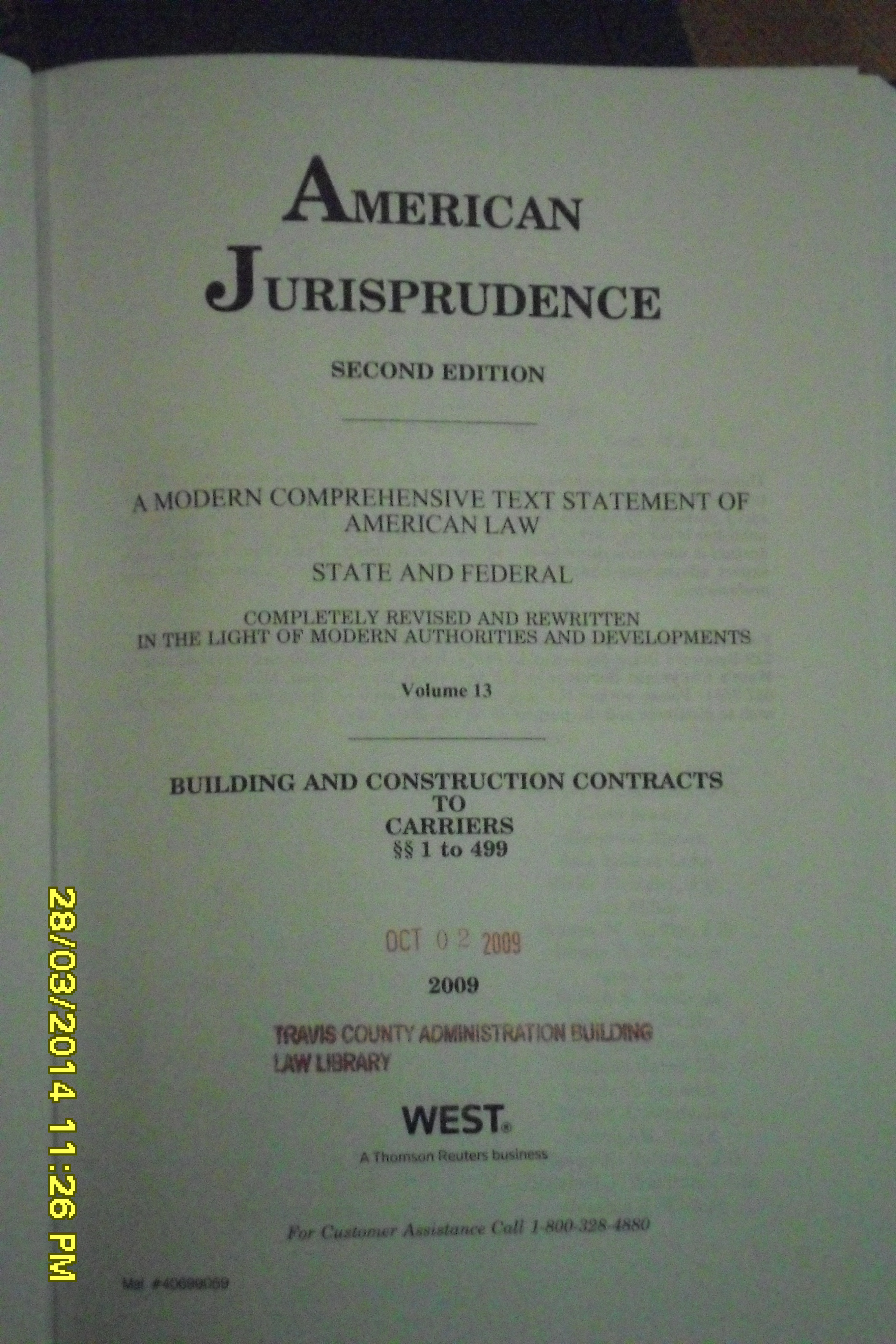
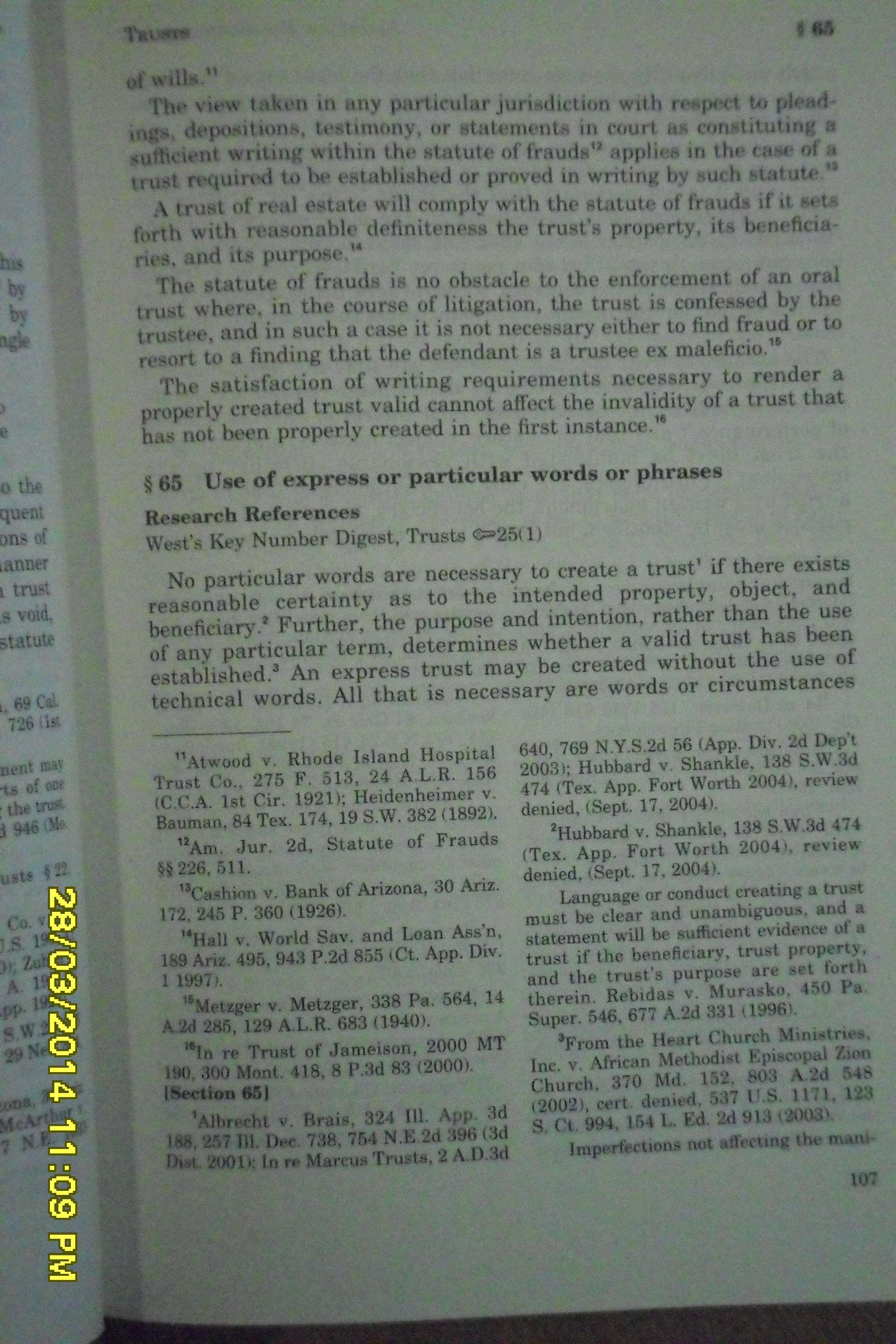
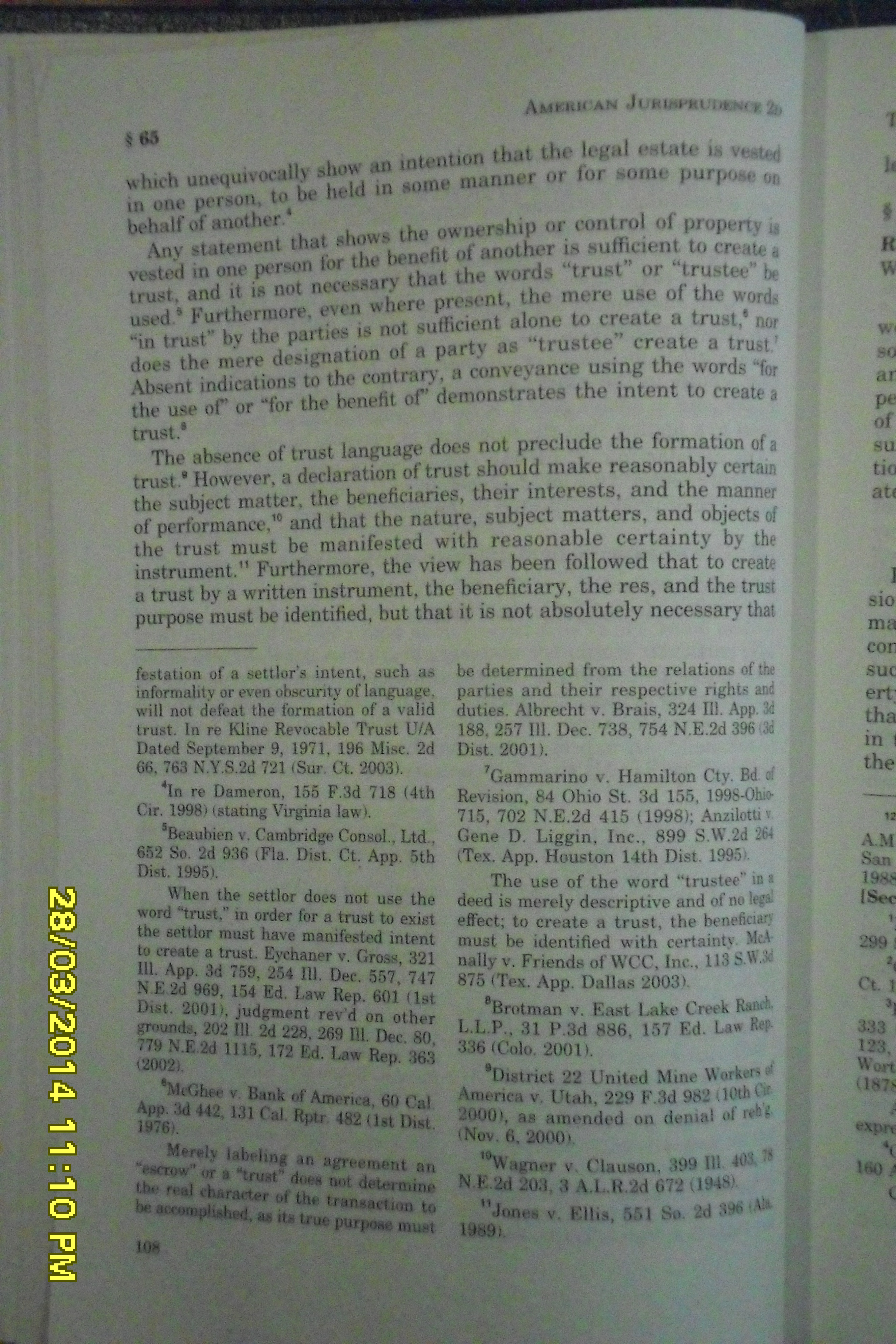
76 AM. JUR. 2D Trusts § 65

The words in the DOT  are unique and are not found in any lawbook. As to the use of express or particular words or phrases to create a trust:

  • “No particular words are necessary to create a trust if there exists reasonable certainty as to the intended property, object, and beneficiary. Further, the purpose and intention, rather than the use of any particular term, determines whether a valid trust has been established. An express trust may be created without the use of technical words. All that is necessary are words or circumstances which unequivocally show an intention that the legal estate is vested in one person, to be held in some manner or for some purpose on behalf of another.
  • “Any statement that shows the ownership or control of property is vested in one person for the benefit of another is sufficient to create a trust, and it is not necessary that the words ‘trust’ or ‘trustee’ be used. Furthermore, even where present, the mere use of the words ‘in trust’ by the parties is not sufficient alone to create a trust, nor does the mere designation of a party as ‘trustee’ create a trust. Absent indications to the contrary, a conveyance using the words ‘for the use of’ or ‘for the benefit of’ demonstrates the intent to create a trust.” (76 AM. JUR. 2D Trusts § 65 (2007)).

As will be shown below, the a church which utilizes the ELC method creates a trust which is a legal entity (perhaps a charitable trust or business trust). The trust which is recommended by the “Separation of Church and State Law” ministry is not a legal entity as explained in the article Is the ordinary trust a legal entity?

Thus, the holding of property by a person (trustee) “in the name of the Lord Jesus Christ,” creates a trust. This is a very important for ELC churches to understand since the ELC recommends that property be held by the church (pastor) in trust for the Lord Jesus Christ, the true and beneficial owner and that the church can hold property (e.g., execute a deed) by the pastor, in trust for the Lord Jesus Christ. (See their exact wording below.) The legal system requires a legal tie to real estate as expressed in a deed. If no such tie to real estate exists, and this fact is brought to the attention of the proper court, the court will make sure that a legal entity, such as a person, assumes ownership of the property. Should a controversy arise as to ownership of the real estate, the legal system when properly petitioned will take jurisdiction over the matter. When real property is put up for sale, the buyer is going to want legal assurances that he is getting valid, enforceable legal and equitable ownership.

76 AM. JUR. 2D Trusts § 65 continued

The ELC states that property may be held in three ways “(1) as a corporation, (2) as an unincorporated association and:

“(3) as an individual. How can property be held to reflect the ownership of Christ over His church? It must be held as an individual, and that individual must be the Lord Jesus Christ! The property should be held by the church in trust for the Lord Jesus Christ, who is the true and beneficial owner. In spite of the skepticism of many, churches in 22 states have placed their property in the name of the Lord Jesus Christ without incident” (Approved by God: A Case for Modern Disetablishment, by Wright/Townsend, page 149). The book goes on to say that “the church, by the Pastor, can execute a deed on behalf of the Lord Jesus Christ.” Ibid., 150.

From ELC book
From ELC book “Approved by God,” p. 149

The ELC are confused since they first say that the property must be held by the Lord Jesus Christ and then they say that the property should be held by the church in trust for the Lord Jesus Christ. Of course, property cannot be held by the Lord Jesus Christ since he left all earthly temporal property to be held in trust by man and has given civil government the ultimate jurisdiction over that land. If a nation honors God and His precepts, that nation will also honor God’s churches, and vice versa. If a believer or church is found out in North Korea (and many other nations), any properties which the believer owns will be confiscated and the believers will probably be executed. God allows individuals, families, churches, and nations free will to honor or dishonor him, for the time being.  The ELC, in the above statement, also says that the church, is to hold the property.

From ELC book,
From ELC book, “Approved by God,” p. 150

The ELC states the elements of a trust, and then make clear that the trust they recommend is a legal entity through which the church holds property thereby making the church the legal owner of the property. Some of the words of the ELC quoted above is taken straight out of legal books which define the ordinary trust, but other words compromise the trust and establish it as a lega entity. They then say, “Held by the church in trust for the Lord Jesus Christ.” (Bold emphasis mine). For a church to hold property violates biblical principle. (See The Biblical Doctrine of the Church and The Biblical Doctrine of Separation of Church and State). Not only that, only a legal entity can hold property. There must be a legal owner of property, even if the legal and true and beneficial owner are not the same. They do not realize that they are in effect stating that the church is a legal entity.

The above illustrates that the ELC recommends compromising the position of a church who uses their method. They state that the church is to “hold the property in trust for the Lord Jesus Christ, who is the true and beneficial owner.” By so stating, they make clear that the church is the trustee of the property which is held in a legal entity type of trust; this argument is strengthened by the fact that, in their attacks against the ordinary trust they incorrectly rely on the law of business trusts as will be shown below. To repeat:

“The ELC teaches that the trust is a legal entity. They are partially correct in that some types of trusts are legal entities. However, the ELC does not quote from the law concerning ordinary trusts as to the legal entity status of the ordinary trust (see above). They do this to establish their incorrect position that the trust utilized by the BLC and this ministry are legal entities. They quote from the law concerning, for example, business trusts. See pages 175-177 of Approved by Man: A Case for Biblical Reasonableness by Wright/Townsend, for an example of where they quote from the law of business trusts and apply it to the ordinary trust. In American Jurisprudence, the law of business trusts is covered in volume 13 whereas the law concerning ordinary trusts is covered in volume 76. The two types of trusts are very distinct types of trusts.”

Thus, the ELC, in their zeal to discredit the ordinary trust, have in fact discredited their own methodology; they create a type of  trust which is a legal entity which can act legally, sue, be sued, go into debt if so desired , and enter into contracts (the ELC teaches against a church going into debt and entering into contracts.). Since they declare that the church is to hold the property for the true owner, they are declaring that the church is the trustee and, therefore the church has to be a legal entity. Only a legal entity can hold property; a spiritual entity cannot hold property. The trustee of a trust holds legal title and the beneficiary holds true or equitable title to property.

The ELC then states that “the church, by the pastor, can execute a deed on behalf of the Lord Jesus Christ.” Suffice it here to say that the ELC claims that the church can execute a deed. Only a legal entity can execute a deed. At the same time, they state that the church executes the deed by the pastor. Thus, the pastor effectively serves as trustee, but trustee of what kind of trust? Not a non-legal entity ordinary trust which is something they do not understand and therefore attack. He serves as trustee of a legal entity and that legal entity is the church he signs for.

Public sentiment and the lack of legal action against churches protects churches from legal scrutiny. For the foreseeable future, ELC churches do not have to worry about attacks. There are many situations, even outside the church-state context, where the legal system has not been alerted to some improprieties and therefore has not taken action. Consider the actual situation in which the owner of property has been dead for years and the man living on the property has paid the taxes for years. As long as he keeps up on the taxes and no one takes the issue to court, the man will be able to enjoy the property. Should an ELC church ever be in the legal sights of government lawyers, the ELC has subjected churches who use its methods to a compromised position and sharp government lawyers may pierce their armor. More importantly, the ELC, by not proceeding according to knowledge, wisdom, and understanding, has unknowingly dishonored the Lord.

As a sidenote, it is incorrect to say that property may be held as an individual, corporation, or unincorporated association. The correct way of putting it is that property may be held by or in the name of an individual, corporation, or association.

Finally, the last sentence in the paragraph says, “Since his passing, the Declaration of Trust has evolved into a magic talisman of mystic proportions, designed to fill all the needs of a local church.” That sentence is patently absurd. The author, the pastors, and the believers the author knows and who place tithes, offerings, and gifts into an ordinary trust established by a Declaration of Trust do not believe in magic. Those who put their tithes and offerings in an ordinary trust estate for the benefit of the true owner of all properties, the Lord Jesus Christ, know that the trust established by the DOT is only one piece of the puzzle. There are many ways in which a church can compromise the headship of the Lord Jesus Christ over a church. And even though they believe that the Lord Jesus Christ is the only one who can fulfill all their needs, their focus is not on themselves and their needs but on obedience to His statutes and precepts. More importantly, they believe that all they do should be for the Glory of God.

Introduction: Ecclesiastical Law Center Exposed

Jerald Finney
Copyright © November 18, 2014

Note.  Much of this chapter explains aspects of the ordinary trust and Declaration of Trust utilized by this ministry in helping churches who want to please God in their organization. When I wrote this chapter and this booklet, I had not published Simply Church: The Holy Union of Christ and His Local Church which concisely explains the “ordinary” trust, which is a relationship with property only, not an entity of any kind, and the importance of a written Declaration of Trust.

Contents:

Related articles:

Introduction: Ecclesiastical Law Center Exposed

1For many years, the Ecclesiastical Law Center (“ELC”) has publicly attacked the Biblical Law Center (“BLC”) and the BLC method whereby churches establish an ordinary (Bible) trust by adopting a Declaration of Trust (“DOT”). The position of this author for many years has been that churches should look at all points of view, study to make sure they are not being misled, and then proceed according to Bible principle for the Glory of God. He had been asked to respond to ELC misinformation and attacks several times over the years, most recently by his pastor, Pastor Jason Cooley after he read Chapter 18 of Betrayed by Man, a book by Robin Wright and Ben Townsend of the ELCMotivated by the obvious falsehoods in ELC writings which are disseminated to many sincere and good men of God and which attack and misrepresent the DOT and the ordinary trust thereby created while promoting a very ill-advised method for a church to hold property in trust for the Lord Jesus by the pastor for the church, this author finally decided to take on the task.

This is not about the ELC, the BLC, or this ‘Separation of Church and State Law’ ministry. This is about the Lord Jesus Christ and his churches and the truth; that is why believers should be concerned about these matters, even though the issues and answers may initially seem complex. You may be a pastor of a church who has organized according to the recommendations of the ELC or according to those of the BLC or this Old Paths Baptist Church “Separation of Church and State Law” ministry (“SCSLM”). You may believe the literature and teachings of your particular leaders. However, the ELC teachings are so different from those of this ministry that only one can be valid legally and biblically. For that reason, churches and pastors who are concerned about the biblical doctrine of the church need to find out which one is right. The author humbly submits that there is nothing more important than keeping the bride and wife of Christ pure and chaste and that all sides of this controversy must set aside their pride and diligently seek the truth in order that the church you are a member of may be prepared in the matter of church organization for His coming.”

Is the church you are a member of being prepared for His coming?

Is the church you are a member of being prepared for His coming?

Ephesians 5.23-27, 30-32 states:

“For the husband is the head of the wife, even as Christ is the head of the church: and he is the saviour of the body. Therefore as the church is subject unto Christ, so let the wives be to their own husbands in every thing. Husbands, love your wives, even as Christ also loved the church, and gave himself for it; That he might sanctify and cleanse it with the washing of water by the word, That he might present it to himself a glorious church, not having spot, or wrinkle, or any such thing; but that it should be holy and without blemish…. For we are members of his body, of his flesh, and of his bones. For this cause shall a man leave his father and mother, and shall be joined unto his wife, and they two shall be one flesh. This is a great mystery: but I speak concerning Christ and the church.”

As the informed believer reads the articles which examine the parts of Chapter 18 of Betrayed by Man and related ELC writings, he will see the good, the bad, and the ugly about the ELC position for church organization.

2The good:

The ELC method – as proven by written declaration in their books, writings, and practice some of which will be cited, copied and pasted into this booklet – creates a trust arrangement, places property in the legal name of a trustee for the church who holds and administers property and monies (the trust estate) for the Lord Jesus Christ the true, equitable, and beneficial owner of the property (and money). The trustee(s) has (have) a fiduciary duty under God and man to manage the trust estate, not for the benefit of the trustee(s), but for the benefit of the true, equitable, beneficial owner, the Lord Jesus Christ. As long as no disputes over, for example, ownership of property or some other property dispute, tort claims for injures sustained on church property, or use of funds (tithes, offerings, and gifts) arise, the ELC method will work fine and the inherent weaknesses of the ELC method and the inaccuracies in ELC teachings will not come to the forefront. Even then, unless the issues are tackled by one who is knowledgeable about ELC writings which expose the truth about their trust arrangement, the weaknesses and inaccuracies of the ELC method may not be discerned. However, should a lawyer study their writings and the relevant law, he will likely uncover his line of attack. Should he find out about and study this booklet, he will definitely discover how to mount an effective attack, unless the ELC corrects the flaws in their self-created and self-acclaimed system.

4The bad:

  • The ELC trust arrangement negatively implicates the church who utilizes their method by declaring that “The property should be held by the church in trust for the Lord Jesus Christ, who is the true and beneficial owner,” “Actually, the church, by the Pastor, can execute a deed on behalf of the Lord Jesus Christ,” etc. These written declarations are not included in a Declaration of Trust to be adopted by a church which organizes under the method recommended by the ELC; rather, the declarations are in publications which teach ELC methods. Needless to say, their published declarations do not adequately describe the type of trust intended, the duties of the trustee, provisions for successor trustee in the event the trustee resigns, dies, etc., and other matters. These written declarations, especially when studied in conjunction with other ELC teachings, effectively set the church up as a legal entity, as opposed to a spiritual entity only. Their system is not a Bible system, as they like to say, but a legal system which establishes a church as a legal entity It would be far better for an ELC church to adopt a properly written DOT declaring exactly the nature of the trust established, the legal status of the church, etc. Should attacks against an ELC church arise, a properly worded DOT which establishes an ordinary trust, not the type trust now established by the ELC methods, could be produced to establish that the church is not a legal entity, that the trust is an ordinary (Bible) trust (as it now stands, the logical conclusion from ELC teachings is that the church utilizing ELC methods is a legal entity and therefore can sue, be sued and act legally).The ELC method is not according to knowledge and it therefore grieves our Lord and can result in problems for ELC churches. The articles which follow in this series delve more deeply into the matters asserted in this paragraph.

9The ugly:

The ELC runs a continuing campaign to convince others that the BLC (and now this SCSLM) are liars and that their methods are bad, should not be used, etc. Nothing could be farther from the truth. The ordinary (Bible) trust (and a properly worded DOT which creates it) recommended by this ministry and the BLC, as will be shown (and already has been shown in books and online writings) is biblical and has been recognized by the American law as a non-legal entity, a relationship with property and assets. Thankfully, churches can utilize an ordinary trust without placing themselves under the jurisdiction of civil government–the church is not the trust nor is the trust the church. The church remains a spiritual entity as long as she does not in some manner act legally; and she remains separate from the ordinary trust.

ELC attacks include sloppy false legal arguments (at best), lies, distortions, personal attacks, etc. Some of those will be exposed for what they are in the accompanying chapters. Straight forward language is the only way to get at the truth and, as will be shown in this series, the ELC has no problem either directly or indirectly, without any proof, calling truthful BLC statements lies, no problem with fabricating false, bad motivations on the part of the BLC for the alleged lies, no problem formulating ridiculous legal arguments, no problem with distorting, lying, and publishing recommendations for church organization without knowledge, understanding, and wisdom. This booklet will prove all this.

This author has seen no ELC written or online publication which, for example, looks at the law of ordinary trusts, the law upon which DOT and ordinary trust thereby created and which the BLC and the “Separation of Church and State Law” ministry recommend. Instead, the ELC mischaracterizes the ordinary trust recommended by the BLC and by this ministry as a business or charitable trust. Business and charitable trusts are legal entities. The ordinary trust is not; yet, relying on business trust and charitable trust law instead of ordinary trust law, the ELC continues to claim, against clear truth, that the ordinary trust is a legal entity. Here are two of many ludicrous examples of false ELC claims:

“The Ecclesiastical Law Center advises churches to not use a Declaration of Trust, a corporation, an unincorporated association, or any legal entity to hold their church assets and property.” (From ELC book, Betrayed by Man, page 180)(My comments: Here again, the ELC not only misrepresents the ordinary trust, but also condemns their own method. The ordinary trust is not a legal entity. Furthermore, the church who places tithes, offerings and gifts into an ordinary trust has no assets. The ELC church has assets which are held in trust for the benefit of the true owner of the property, the Lord Jesus Christ. The ELC church is a legal entity since she holds property and has assets.)

“And placing church property in Trust is no different from placing it into a Corporation.” (From Betrayed by Man, page 177)

By “Trust” in the above statements, the ELC means all trusts, thereby including the ordinary trust (a fiduciary relationship with property which is a non-legal entity) with trusts which are legal entities such as business trusts and charitable trusts. In other words, the ELC again misrepresents the ordinary trust by effectively stating that all trusts are the same. The statement also equates placing a church in trust with incorporating a church; this is ridiculous because an ordinary trust has no resemblance to a corporation. An incorporated church is a legal entity. The ELC, in attacking the ordinary trust, cites 13 (“13” is the volume number) AM. JUR. 2D (AM. JUR. 2D is the abbreviated form of American Jurisprudence 2d, a highly regarded legal encyclopedia) Business Trusts and 15 AM. JUR. 2D Charitable Trusts. They never refer to 76 AM. JUR. 2D Trusts which covers ordinary trust law. 61 large volumes separate volumes 15 and 76 of American Jurisprudence and that separation corresponds with the difference between the ordinary trust and business and charitable trusts. They also cite reported cases which mention charitable trusts and business trusts in attacking ordinary trust law. This type analysis by the ELC is either completely dishonest or the result of incompetence in dealing with legal mattersThis booklet will thoroughly analyze, in detail, all these matters. The assertions of this author will be proven beyond any doubt.

The ELC, in its church organization methodology, relies on trust law. The language used by the ELC in its published declaration makes that clear; language such as “property held in trust,” “for the Lord Jesus Christ, who is the true and beneficial owner,” and “the Pastor, can execute a deed on behalf of the Lord Jesus Christ.” All of the elements of a trust are in that language. Since Robin Wright, the brains behind the ELC, had some knowledge of trust law, this reliance is not without knowledge (See Section 2 Give and Take, an article by Ben Townsend of the ELC that was published after Chapters 1-8 of this booklet were published online). However, the ELC disqualifies their method as creating an ordinary (Bible) trust by saying that “The property should be held in trust for the Lord Jesus Christ,” “Actually, the church, by the Pastor, can execute a deed on behalf of the Lord Jesus Christ,” etc. This is ugly because the ELC proposes a trust which sets a church up as a legal entity while virulently opposing the ordinary trust which keeps a church in its spiritual only status (non-legal entity status). This booklet will prove all this beyond all doubt.

This brings up a very important question: If the ELC is what they set themselves up to be – experts in trust law – then why do they always cite law and cases which deal with business and charitable trusts and never from the law of ordinary trust in their attacks against the ordinary trust promoted by the BLC and this “Separation of Church and State Law” ministry? Could it be that they knowingly wish to mislead others as they attack the ordinary trust with accusations that it is a legal entity? Business and charitable trusts are legal entities and the ordinary trust is not. Or could it be that they have never read the law of ordinary trusts? Or could it be that they got the language and ideas for their form of trust from the law of business trusts and/or the law of charitable trusts, but then attempted to distinguish their “trust” arrangement from those laws? Or could it be that they got the language and ideas for their method from the law of ordinary trust but do not wish to bring it up because they do not wish to bring attention to the fact that they have created some type of trust, something which they may have done because they do not understand these matters? Or could it be that a man who was later to start the ELC talked at length with Al Cunningham, while attorney Cunningham was alive and while the to be ELC leader was still a member of Indianapolis Baptist Temple, and – as a novice to legal matters – tried to create something with the elements of the ordinary trust which Attorney Cunningham recommended to churches but with changes which make the church which utilizes the method a legal entity, and then claim that what they were creating was biblical and not legal and that the concoction has all kinds of alleged benefits for a church? Al Cunningham was a great friend to Indianapolis Baptist Temple and Dr. Greg Dixon and spent a lot of time there.

In one place in their writings, they make the confused argument that there will be no lawsuits because you cannot take the true or equitable owner, the Lord Jesus Christ, to court (See Approved by God, p. 150). They state that this is so because lawsuits can be leveled against legal entities only, not spiritual ones. That statement is partly true – lawsuits can only be taken against legal, not spiritual entities. However, when money or property are taken to court, the legal owner, not the true, beneficial, or equitable owner in the trust situation, will be made a party to the action. ELC churches, by published ELC admission, are legal entities which can be taken to court (See, e.g., Approved by God, pp. 149-150 (ELC churches “hold property in trust for the Lord Jesus Christ;” “the church, by the Pastor, can execute a deed on behalf of the Lord Jesus Christ;” etc. See also, Chapter 3 of Approved by Man where the ELC makes clear that it handles “legal church problems”). A church can hold property (in trust or otherwise), execute a deed (by a pastor or anyone else), or be taken into court only if she is a legal entity. ELC churches are legal entities. BLC and SCSLM are New Testament churches; they are not legal entities; and they cannot be taken to court.

Anytime anyone initiates a lawsuit for damages (slips on the ice at the church entrance and is damaged, etc.), a property tax challenge, or any type challenge involving a legitimate dispute over property (especially real estate) or money, the appropriate court (or agency) will assume jurisdiction and decide the dispute. Effectively, there can be no legal action for damages on property, if there is no one with a duty, or if there is no legal owner. In the case of one damaged because of the knowing, intentional, or negligent action of another who has a duty to maintain safety of a facility, the probable course of action will probably be to sue the church (which means those in the church) (1) if there is no clearly worded declaration that makes clear that the church owns nothing and is not a legal entity or (2) if there is proof that the church is a legal entity. The latter can be established as to the ELC church as well as other types of legal entity churches such as incorporated (including corporation sole) churches. In other types of disputes, if there is no legal owner, the court (or agency) will take jurisdiction over the property or money and decide to whom it belongs if ownership is at issue or whether a crime or tort was committed in the handling of the property or money. In the case of a church who is places tithes, offerings, gifts, and properties into an ordinary (Bible) trust, the church is a legal entity and cannot be sued; the legal owner of the property is the pastor/trustee.

Consider in more detail liability for damages to someone injured on the property due to the negligence of someone in charge. For example, suppose a person falls on ice while entering the premises of the real estate used as the church meetinghouse due to the negligence of the one (the legal entity/trustee) in charge of the property (the legal owner) and/or the person delegated to remove the ice from the entrance, if any. The injured party’s lawyer will seek out the legal owner, who will not be hard to find. An investigation will be done. That is when the ELC church can be, due to the published statements of the ELC, implicated as the legal entity who holds legal title to the property. When the church is implicated, the members are implicated since the members are the church. Should that scenario arise, the church would be better off incorporated, from a worldly perspective (but see, Spurious rationale for church incorporation: limited liability/incorporation increases liability of church members (Section VI, Chapter 6 of God Betrayed; Chapter 6 of Separation of Church and State) for the heavenly perspective). However, when the recommendations of the BLC and this “Separation of Church and State Law” ministry are followed, the church cannot be implicated and the insurance company from whom the trust (not the church) has bought liability insurance on the real estate will take care of the damages. Of course, should the party responsible for the real estate be proven negligent or responsible for not removing the ice, he and anyone given the responsibility to remove the ice can also be included in the lawsuit; this is true no matter how the church is organized. And this is as it should be. It is biblical and it is legal to hold one who intentionally, knowingly, recklessly, or with negligence injures another or causes another to be injured.

Should a lawyer who knows the ELC teaching and the basic law of the various types of trusts be involved in any legal action against land, money, or against one responsible for injury and damages to another, that lawyer could establish that the ELC church is a legal entity and include the church in the dispute, something which ELC publications establish; an impossibility for the church which places tithes, offerings, and gifts into an ordinary trust which is a non-legal entity in which a trustee administers the trust estate for the benefit of the true, equitable, beneficial owner or the property, the Lord Jesus Christ and is careful not to inadvertently act legally and thereby set herself up as a legal entity. Fortunately for the ELC, no lawyer before the publication of this booklet was called to take the time to study out ELC teaching.

These matters will be explained in much more detail, with cited authority, in the accompanying articles, the links to which will be included at the beginning of this article as they are completed. May everyone put aside their pride and seek the truth, for His Glory. Addressing all these matters will be require a little time and study by the novice. You who are interested in these things must patiently go through these articles and do some self-study to determine the truth. Following this teaching as it develops piecemeal will give the interested party time to check the assertions of this author and sources and do some study yourself. If anyone who has studied the teachings of the ELC or the teachings of this “Separation of Church and State Law” ministry is confused or has an honest disagreement based on in-depth studies, this author will be glad to examine an issue with you. Again, if this author can be shown to be wrong, he will publicly repent and present corrections.

Now to the task.

Go to the following link for links to all the articles in this series: An analysis of Ecclesiastical Law Center Attacks against the Ordinary Trust Recommended by the Old Paths Baptist Church “Separation of Church and State Law Ministry”: Preface.