Appendix 1 gives links to resources which explain why church incorporation, federal tax exempt status, and other statutory or legal status of churches betray the love relationship between Christ and His churches.
Appendix 2 looks at common law versus statutory law church Bible Trust considerations.
Copyright © by Jerald Finney
February 21, 2021
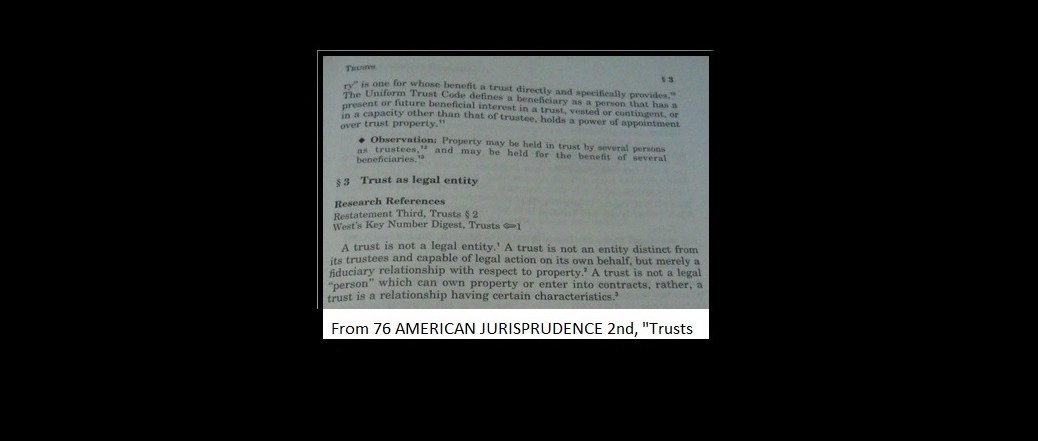
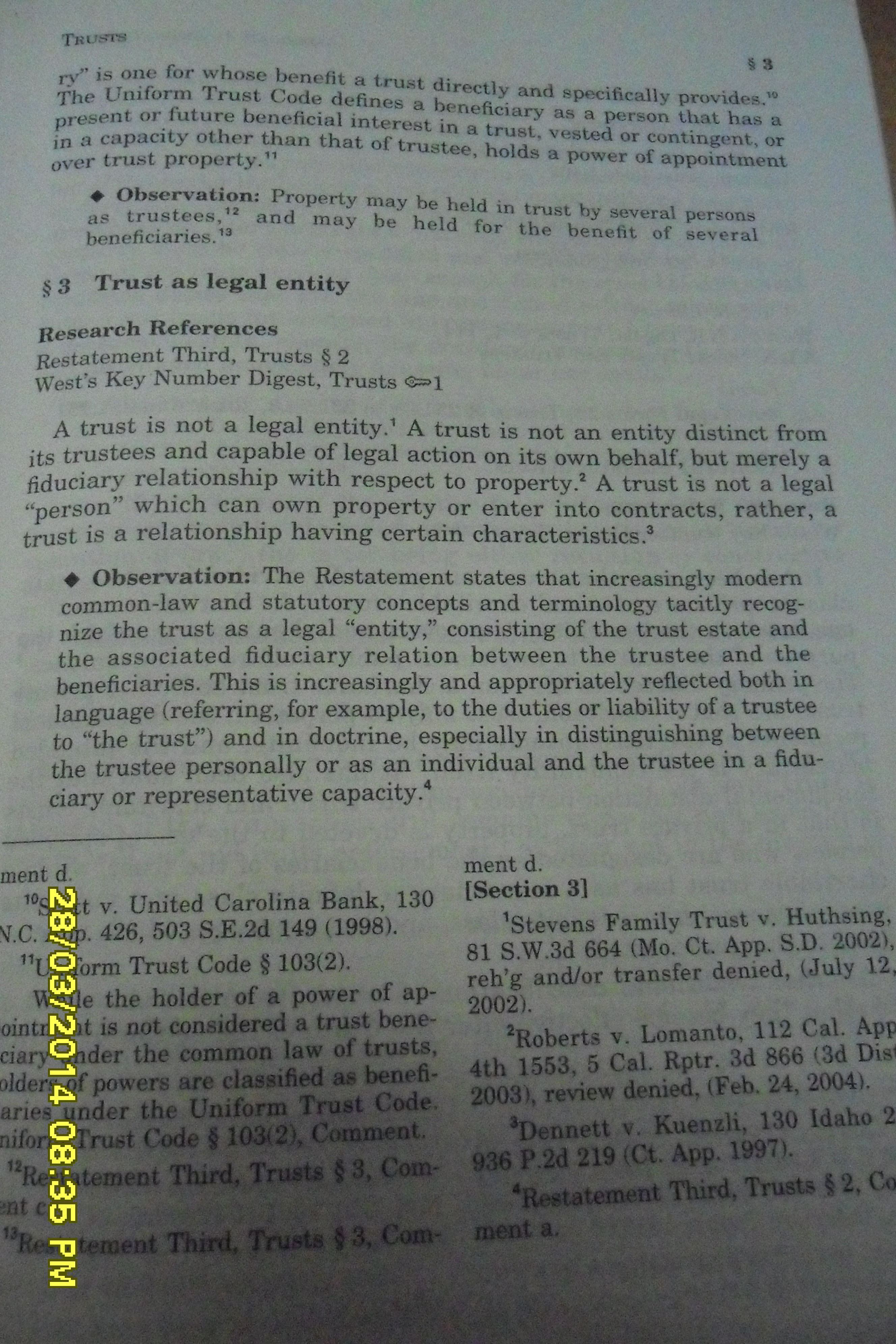
Sometimes pastors or other members of churches who have declared a Bible Trust will say, “Our church is organized as a trust.” That is not true. A Bible (common law) Trust is not a legal entity or an organization. It is merely a relationship with property with a trustor, trustee, trust estate and beneficiary (the owner of all the property in the trust estate).
As explained in prior lessons, a Bible Trust is nothing more than a fiduciary relationship with property. See, Basics and Elements of a Church Bible Trust Relationship with Property. When a church applies and practices the concept of the Bible Trust and other New Testament church doctrine, she is not organizing as a trust and she is not becoming a legal entity under man’s law. Neither the church nor the trust is an organization.
The Bible Trust is different from trusts whose creator and sovereign is the state. For example, charitable and business trusts are legal organizations formed by contracting with state government. When the state grants the application, the church becomes a charitable or business trust, a legal entity, subject to the authority of state government for many purposes. Like other types of legal entities, such trusts are bound by state rules and regulations of state law and agency regulation; any disputes are decided by the controlling party, the state, through her agencies and/or courts.
No documents are necessary for a church to declare and practice the Bible Trust relationship with property. She can simply do things God’s way and operate as did the churches in the New Testament. She is not subject to the jurisdiction of state law. However, should someone name her in a lawsuit, the pastor or other church representative must make a court appearance to contest jurisdiction. Remember that a church must not slip and do something which disqualifies her status as a non-legal entity in order to remain under God alone. See, How a Church Can Nullify the Bible Trust Relationship with Property.
However, should a church wish God’s money to be held in a bank account, title to God’s real estate for a meetinghouse, etc., she will need to execute proper trust documents. When the trustee opens a bank account or buys real estate to be held in the trust estate, neither the trust nor the church owns the money held in the trust bank account or the real estate. As explained in other chapters, the true owner is the Lord Jesus Christ; and the earthly, legal owner is the trustee. The trustee is to hold and manage the property solely for the benefit of the true owner of the property in accordance with His will as expressed in His word, the Holy King James Bible. Properly executed trust documents assure that funds from the sale of real estate or any other asset being held in trust cannot inure to the benefit of the trustee or any other person.
God is jealous over his churches and wishes them to remain true to Him in all matters. A church who declares and applies Bible Trust doctrine and all other New Testament church doctrine is in God’s perfect will; she pleases and glorifies God. A church which organizes as a legal entity commits spiritual fornication and can be, at best, in God’s permissive will. She may be exemplary in many ways; but having left her first love and God says to her, “Repent, and do the first works; or else I will come unto thee quickly, and will remove thy candlestick out of this place, except thou repent…. He that hath an ear, let him hear what the Spirit sayeth unto the churches; To him that overcometh will I give to eat of the tree of life, which in the midst of the paradise of God.” (Revelation 2:1-7).
 Simply Church