Jerald Finney
Copyright © June 1, 2026
See Church Internal Revenue Code § 508(c)(1)(A) Tax Exempt Status (042814) for more detailed information and also links to other related informative articles.
The title to IRC § 508(c)(1)(A) makes clear that a 508 church is a 501(c)(3) church. She, like all 501(c)(3) churches, is a spiritual whore. The 508 church is an exception to the requirement for filing for tax-exempt status. She becomes tax-exempt by agreeing (whether she knows it or not) to give IRS acknowledgements for tithes, offerings, and gifts to the donors and by abiding by the other 501(c)(3) rules and regulations.
A church who claims the status and states that she is not a 501(c)(3) church, but does not abide by all the rules and regulations that come with 501(c)(3) is guilty whether she knows it or not. Ignorance of the law is no defense. The wife who commits adultery is guilty whether she gets found out or not. The church, the wife of Christ, who commits adultery is guilty, and she cannot deceive the Lord. Her Husband knows and grieves over her harlotry. The church has started to spiritually slide downward. She is also a hypocrite whether she knows it or not and whether the IRS or other government agency takes action or not.
The 501(c)(3) status of the 508(c)(1)(A) church is not hidden because it is in clear view. It is stated in the title to IRC § 508(c)(1)(A). The following statement of the law (in relevant part) can be verified by a simple google search using search terms such as “irs code 508.”
Copy and paste of 508(c)(1)(A):
Ҥ 508. Special rules with respect to section 501(c)(3) organizations.
“(a) New organizations must notify secretary that they are applying for recognition of section 501(c)(3) status.
…
“(c) Exceptions.
“(1) Mandatory exceptions. Subsections (a) and (b) shall not apply to “(A) churches, their integrated auxiliaries, and conventions or associations of churches.”[1]
[Bold emphasis in mine.]
To repeat, the title states, “§ 508. Special rules with respect to section 501(c)(3) organizations.” That should end any argument that the 508 church is not a 501(c)(3) church.
The title clearly says that 508(c)(1)(A) churches are 501(c)(3) churches. It further states that they are mandatory exceptions to the requirement for filing for 501(c)(3) status. It says that churches are excepted from filing for 501(c)(3) status in order to claim that status. That status comes with rules and regulations.
The Internal Revenue Service correctly understands church 508 status. Revenue Publication 1828 states:
“Tax-Exempt Status
“Churches and religious organizations, like many other charitable organizations, qualify for exemption from federal income tax under IRC Section 501(c)(3) and are generally eligible to receive tax-deductible contributions. To qualify for tax-exempt status, the organization must meet the following requirements (covered in greater detail throughout this publication):
- “the organization must be organized and operated exclusively for religious, educational, scientific or other charitable purposes;
- “net earnings may not inure to the benefit of any private individual or shareholder;
- “no substantial part of its activity may be attempting to influence legislation;
- “the organization may not intervene in political campaigns; and
- “the organization’s purposes and activities may not be illegal or violate fundamental public policy.
“Recognition of Tax-Exempt Status
“Automatic Exemption for Churches
“Churches that meet the requirements of IRC Section 501(c)(3) are automatically considered tax exempt and are not required to apply for and obtain recognition of tax-exempt status from the IRS. Although there is no requirement to do so, many churches seek recognition of tax-exempt status from the IRS because this recognition assures church leaders, members and contributors that the church is recognized as exempt and qualifies for related tax benefits. For example, contributors to a church that has been recognized as tax exempt would know that their contributions generally are tax-deductible.” [Bold italicized emphasis added].
“IRS Publication 557, Tax –Exempt Status for Your Organization.” states, in relevant part, on page 24:
“Organizations Not Required to File Form 1023 or Form 1023-EZ “Some organizations aren’t required to file Form 1023 or 1023-EZ. “These include: “Churches, interchurch organizations of local units of a church, conventions or associations of churches, or integrated auxiliaries of a church, such as a men’s or women’s organization, religious school, mission society, or youth group.
…
“These organizations are exempt automatically if they meet the requirements of section 501(c)(3). However, such organizations will not appear on the Tax-Exempt Organization Search list of organizations eligible to receive tax-de ductible contributions. These organizations also cannot obtain a written affirmation of their exempt status. To be included in the IRS database of exempt organizations and be eligible to receive a written determination or affirmation of exempt status, these organization must file Form 1023 or 1023-EZ.” [Bold italicized emphasis added].
If a church does not apply for 501(c)(3) tax-exempt status or claim 501(c)(3) tax-exempt status as a 508(c)(1)(A) tax exempt church by complying with the requirements of 501(c)(3); and if she is otherwise organized as a New Testament church, the First Amendment non-taxable status of that church must be honored. A church claims 508(c)(1)(A) status by giving IRS acknowledgements for tithes, offerings, and gifts and by agreeing that she will comply with all the other requirements of 501(c)(3).
A pastor or church member who states, “We are a 508 church, not a 501(c)(3) church” does not know what he is talking about. His church has entered into an shameful relationship with the federal government. His church is being untrue to both the Lord Jesus Christ and to her illicit lover.
501(c)(3) and 508(c)(1)(A) tax exempt status not only come with five government imposed rules, such status also invokes a myriad of regulations. See and read, e.g.,
- A 508(c)(1)(A) Church is a 501(c)(3) Church (060126) This is a short explanation which the reader can easily verify for himself.
- Publication 557 (01/2019), Tax-Exempt Status for Your Organization;
- Application for Recognition of Exemption; Exempt Organizations Treasury Regulations;
- Charities and Nonprofits A-Z Site Index (F-J);
- Exempt Organization Revenue Rulings; 1828, Tax Guide for Churches and Religious Organizations (PDF);
- Common Tax Law Restrictions on Activities of Exempt Organizations; Exempt Organizations – Ruling and Determinations Lettersr; Exempt Organizations – Private Letter Rulings and Determination Letters; Exempt Organizations Announcements;
- Annual Filing Requirements for Supporting Organizations; Exempt Organizations Notices;
- Public Disclosure and Availability of Exempt Organizations Returns: Copies of Exempt Organizations Tax Documents;
- Exempt Organization Revenue Procedures; Exempt Organizations Update;
- Exempt Organizations – Employment Taxes;
- The Truth About Frivolous Tax Arguments – Section II; Termination of Exempt Organization (“… Internal Revenue Code Section 6043(b) and Treasury Regulations Section 1.6043-3 establish rules for when a tax-exempt organization must notify the IRS that it has undergone a liquidation, dissolution, termination, or substantial contraction. Generally, most organizations must notify the IRS when they terminate. Among other things, notice to the IRS of a termination will close the organization’s account in IRS records. …)
See Church Internal Revenue Code § 508(c)(1)(A) Tax Exempt Status (042814) for more detailed information and also links to other related informative articles.
Other relevant essays:
- Federal government control of churches through IRS Code Sections 501(c)(3) and 508(c)(1)(A) tax exemption (121012)
- The church incorporation-501(c)(3) control scheme (121021)
- The Rules and Regulations that Come with Church IRS Code Sections 501(c)(3) and 508(c)(1)(A) Tax-Exempt Status (031722)
- Are Churches Automatically Tax Exempt? (040822)
- A Biblical and Legal Analysis of the Helping Hand Outreach Publication, “WHY ALL CHURCHES SHOULD BE A 508(c)(1)(a).”
- Legal answer to Pastor’s inquiry concerning whether a potential donor of substantial gift an claim a tax deduction under IRC Section 508 even though the church will not give an IRS acknowledgement (123118)
- Does a Church Need 501(c)(3) or 508(c)(1)(A) Status? A Biblical and Legal Answer (062324)
- Did President Trump Do Away with 501(c)(3) Requirements? (120217)


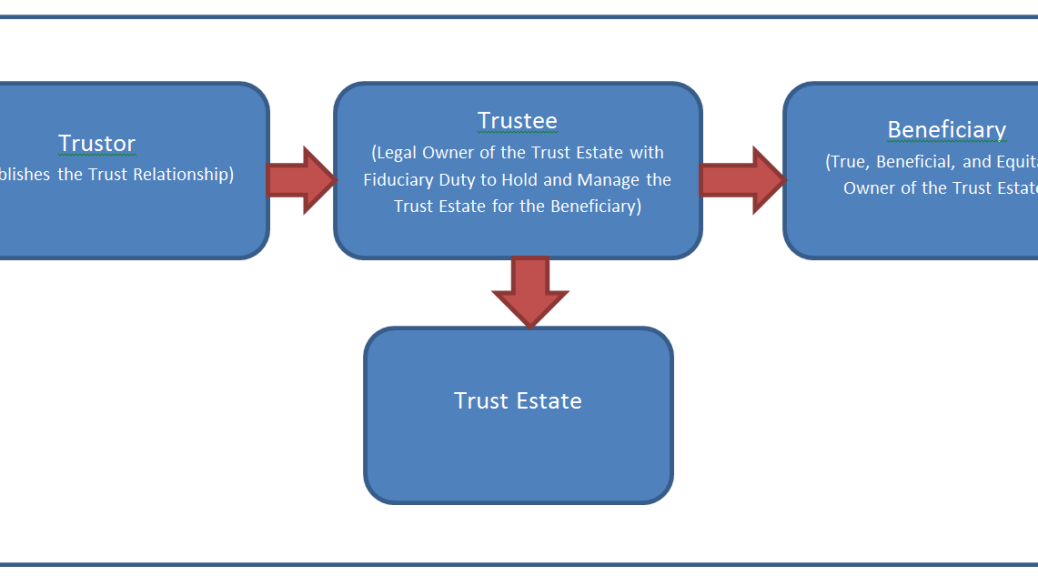
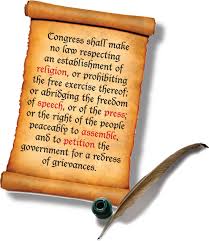 the Lord Jesus Christ in all things; to repent, do the first works as churches of Christ before He removes their candlesticks. American churches who desire to do so are protected by the First Amendment to the United States Constitution and corresponding state constitutional provisions. This short essay will give a simple explanation of the trust relationship used by churches in order to remain under Christ and Christ alone. Then, it will explain ways some of those churches nullify that attempt to honor the Lord Jesus Christ.
